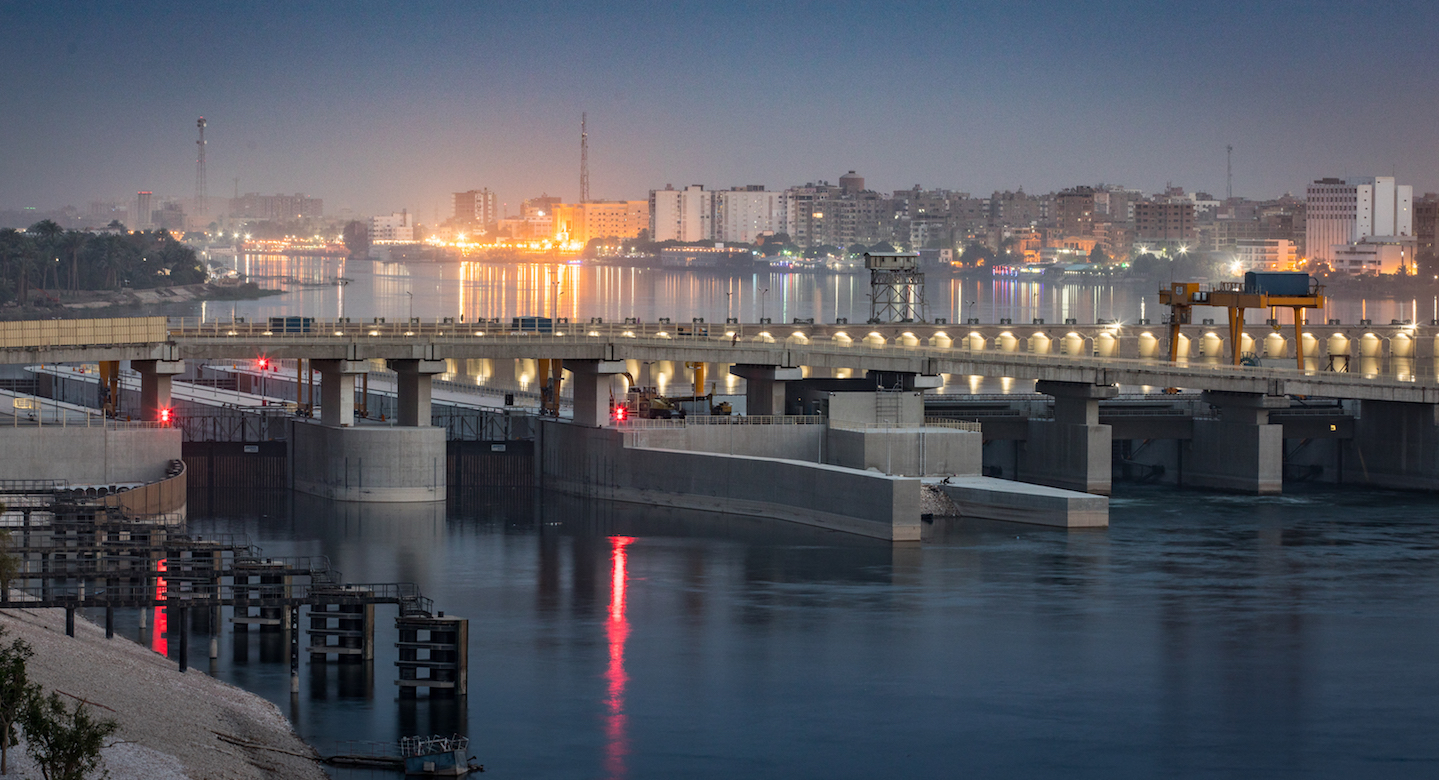
The new Assiut Dam, which is located on the Nile some 250 kilometres north of Luxor, is designed to replace an existing dam, built early in the 20th century 400 metres farther upstream. This new project, inaugurated in an official ceremony on August 12, 2018, aims to regulate the flow of the Nile, providing water for irrigation and power-generation (32-MW output produced by four 8-MW turbines). Accordingly, the dam is equipped with a power plant. Two locks ensure river navigation. The dam is designed to maintain a head of 4 metres to ensure a minimum discharge of 445 cubic metres per second into the Ibrahimia Canal to irrigate nearly 700,000 hectares of land between its location and Cairo.
Naga Hammadi Dam, located 150 kilometres north of Luxor, is designed to replace an existing dam built early in the 20th century and provide irrigation to the Nile River Valley, regulate the flow of the river, and generate electrical power. This concrete gravity dam features two locks for river navigation and produces 64 megawatts of electricity thanks to four 16-megawatt turbines. To build Naga Hammadi, the Nile River had to be diverted for three years, and a total of 400,000 cubic metres of concrete was used at a monthly pace peaking at 30,000 cubic metres.
The Lesotho Highlands Water Project is a water and electrical power supply project implemented by the governments of Lesotho and South Africa to find new sources of supply to support development in both countries. This major undertaking is the largest water-transfer project ever launched in Africa. Our consortium was in charge of part of the project. Our work package included building hydraulic conduits 65 kilometres in total length and 5 metres in diameter, two water intake structures with siphons, and several shafts and installing a surge chamber.
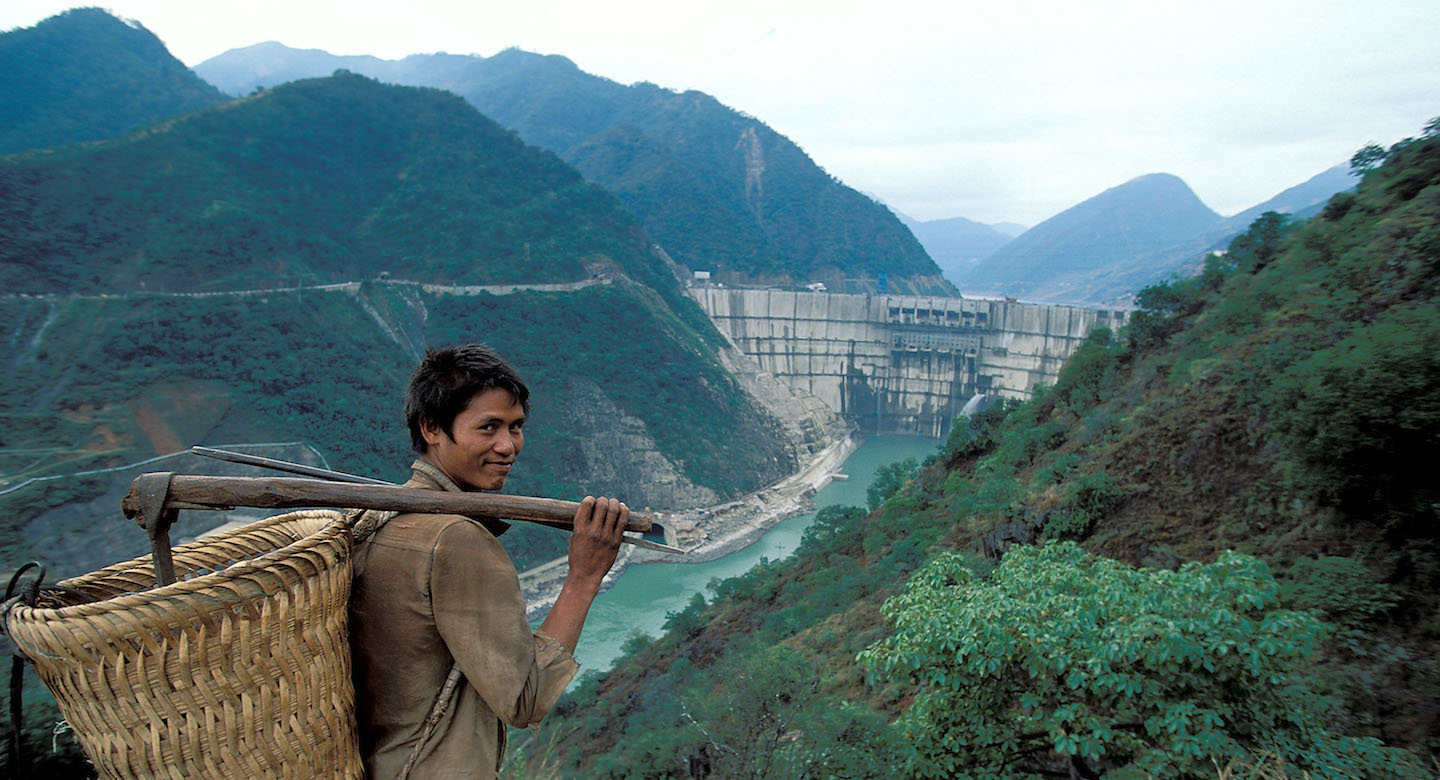
Situada a unos 1.200 metros de altitud sobre el río Yalong, cerca de la ciudad de Panzhihua, la presa de Ertan es la mayor infraestructura hidroeléctrica jamás construida en China después de la de las 3 Gargantas, e hicieron falta casi 91 meses para completar la obra. Esta presa en arco de hormigón de doble curvatura parabólica de 240 metros de altura y 775 metros de longitud en la coronación forma parte de un proyecto de mayor alcance que consta de 11 presas. El proyecto global tiene como objetivo explotar el potencial hidroeléctrico de la región. Los 17.000 Gigavatios anuales que produce la presa ofrecen una alternativa a la producción de energía a partir del carbón, muy contaminante, y fomenta el desarrollo económico de la región de Sichuan.
VINCI Construction Grands Projets was mandated by Hydro-Québec to build the Toulnustouc hydroelectric power plant. The project includes excavation work, heavy engineering concreting, electricity, and architecture.
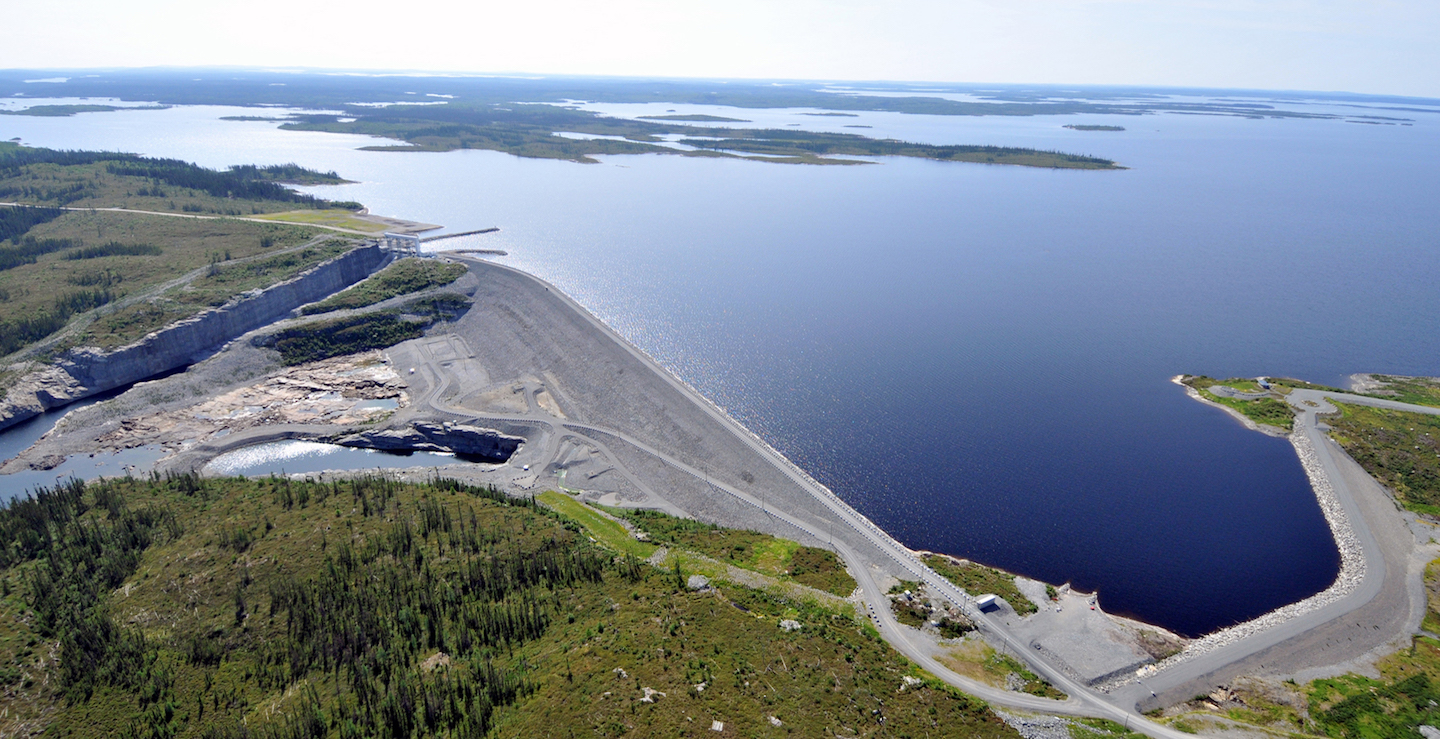
The Eastmain-1 hydroelectric facility is made up of two hydroelectric power stations, a damn and a reservoir on the Eastmain River in Québec. This project was undertaken by the James Bay Energy Company for Hydro-Québec between 2002 and 2012.
Opened in 2007 and located 88 kilometers north of Nemiscau, in the Nord-du-Québec administrative region, the Eastmain-1 power station has an installed capacity of 507 megawatts.
JANIN ATLAS undertook the construction of the temporary Bypass Tunnel for the construction of Eastmain-1.
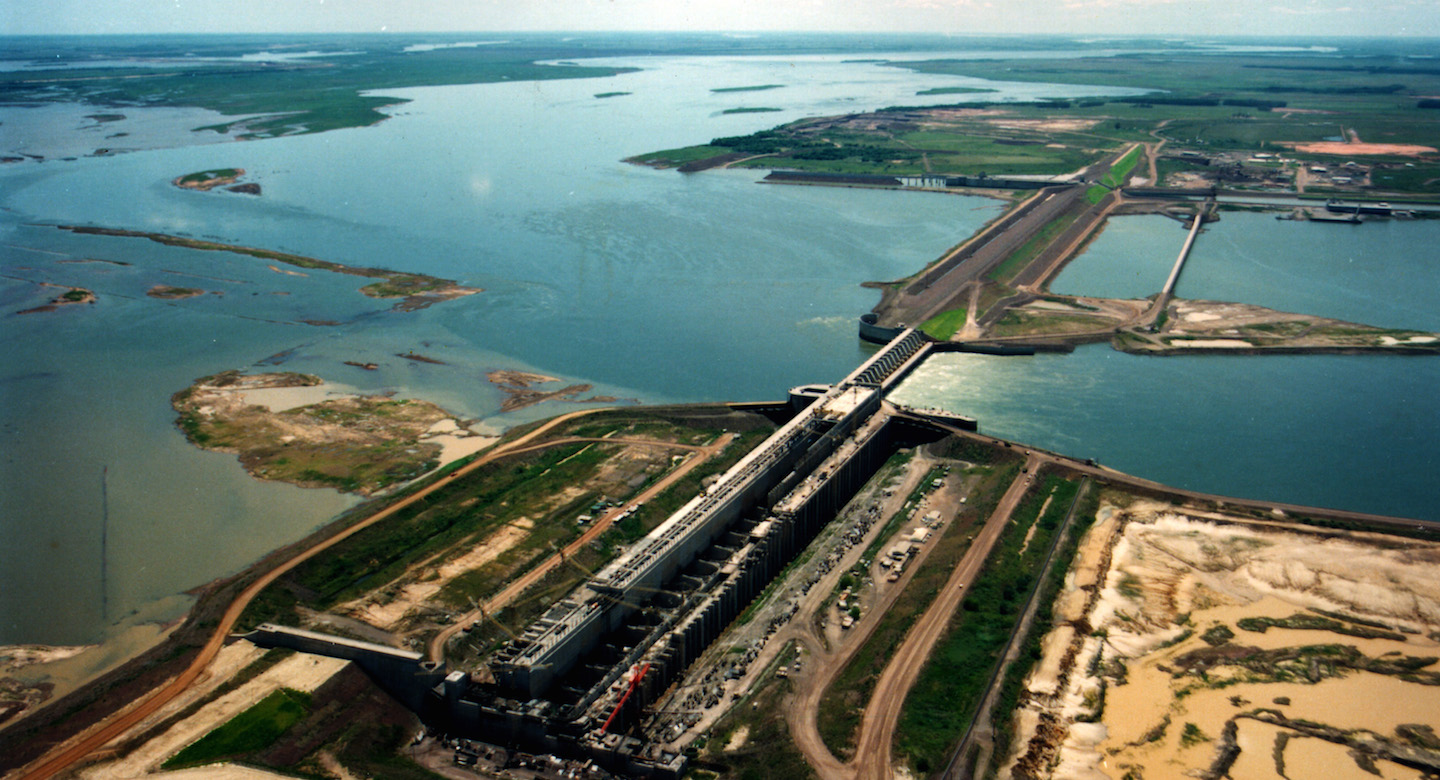
La presa de Yacyretá (la «tierra de la luna» en lengua guaraní) se encuentra en el río Paraná, en el extremo norte de Argentina, justo en la frontera con Paraguay. Se trata de una presa de tierra de unos 70 kilómetros de largo que cuenta con 4 obras principales de concreto de aproximadamente 3,4 millones de m3. Esta construcción se compone de una esclusa de navegación de 236 metros de longitud útil, de un aliviadero principal de 18 compuertas-segmento de 15 metros de ancho para un caudal de 55.000 m3/s, de una central hidroeléctrica dotada de 20 turbinas Kaplan de 9 metros de diámetro (producción anual de 17.000 GWh) y de un aliviadero secundario (sobre el segundo brazo del río Paraná) de compuertas-segmento, para un caudal de 40.000 m3/s.
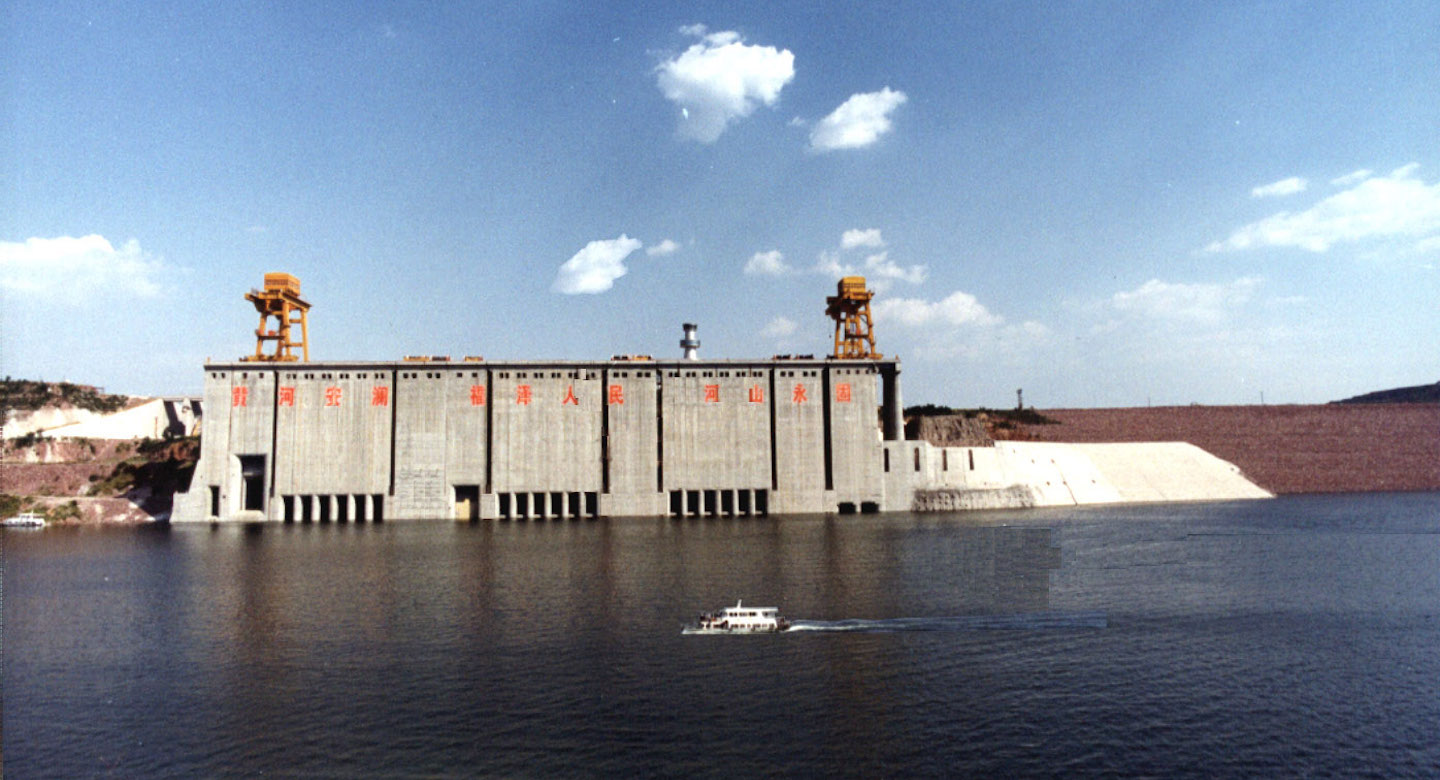
The Xiaolangdi hydroelectric power station on the Yellow River, located 180 kilometres from Zhengzhou, 40 kilometres from Luoyang, and 600 kilometres from Beijing, marks the achievement of a longstanding aspiration, namely, to “tame” the Yellow River, the cradle and scourge of Chinese civilisation.
The structure consists of a sloping earth-core rockfill dam 154 metres high and 1,317 metres long at the crest, a water intake 112 metres high and 278 metres wide, and an underground power plant 252 metres long, 26 metres wide, and 61 metres high. From 1994 to 1999, Dumez-GTM took part in building this power plant as the lead contractor in the joint venture in charge of the project. The primary objective was to control sedimentation in the Yellow River to mitigate its destructive flooding. One of the defining characteristics of this structure, however, is that it meets a multiplicity of objectives, including power-generation and improved use of water for agriculture in the region.
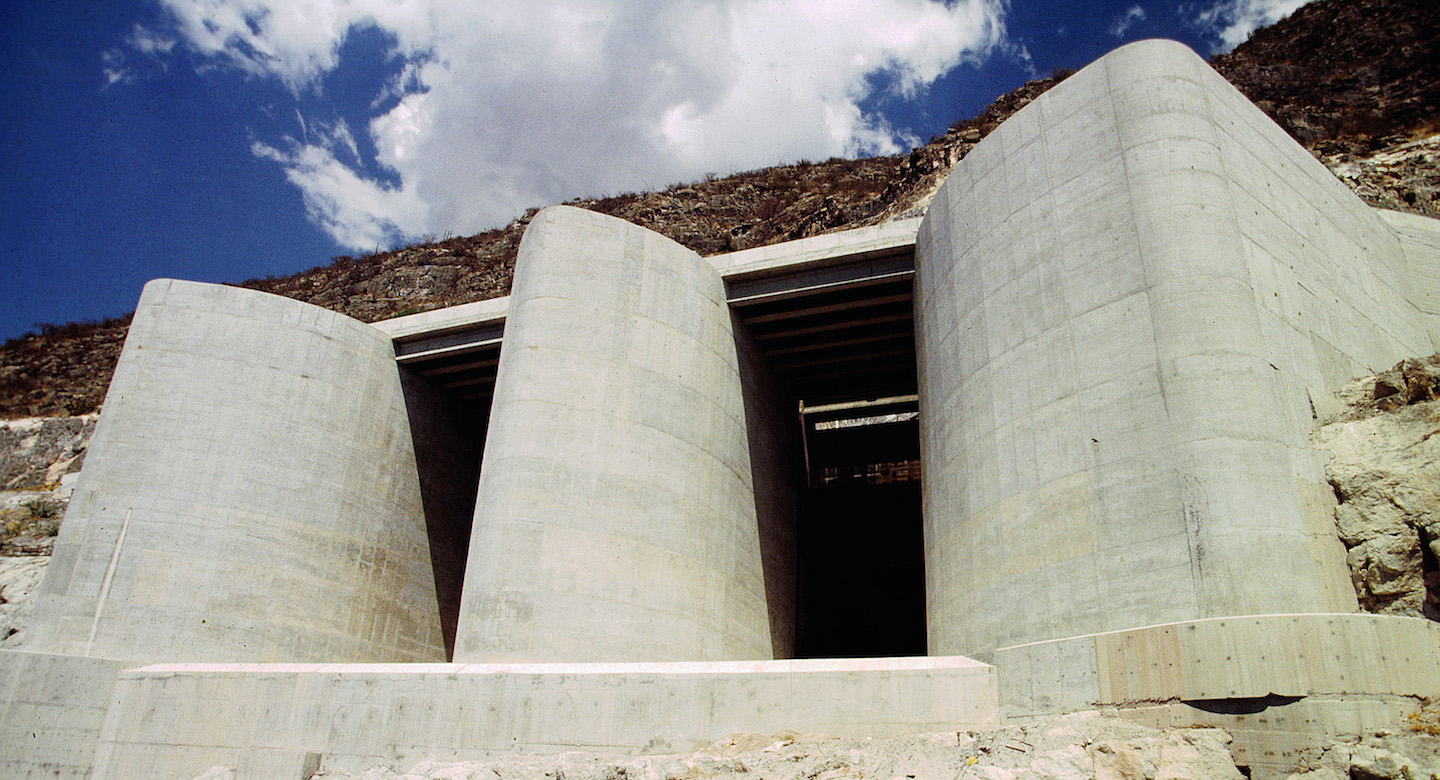
We were mandated by the Comisión Federal de Electricidad to construct a double-curvature arch dam measuring 207 metres high and 115 metres long at the ridge. This project included a diversion tunnel, a spillway tunnel capable of evacuating 3,000 m3/s, 2 tunnels (618 m long), a water intake, 21 kilometres of concrete-lined intake gallery, a surge chamber, a sloped penstock pipe and an underground plant equipped with two 146-megawatt turbines.