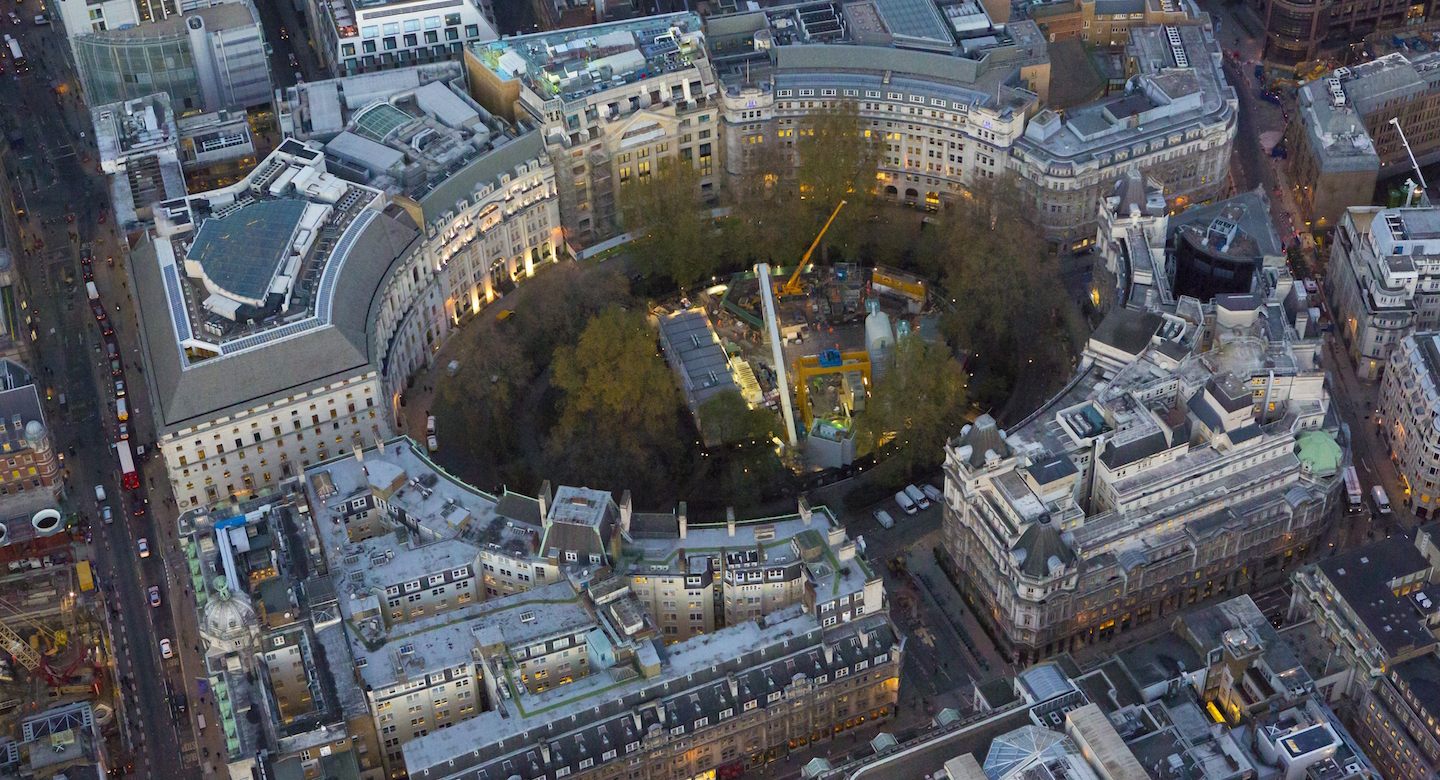
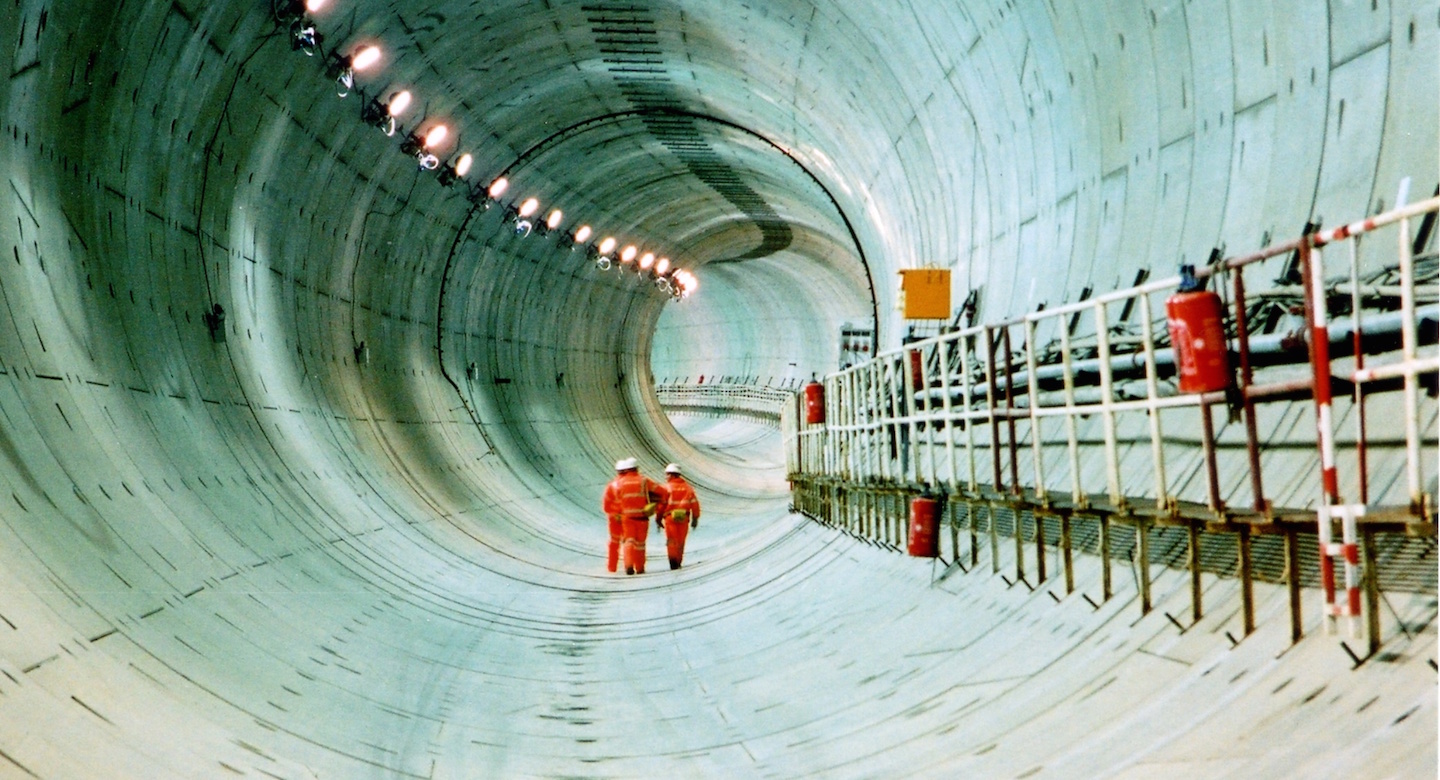
La densidad y extensión de la ciudad de Londres hacen de su red ferroviaria un desafío urbano permanente. La red Crossrail atraviesa Londres de este a oeste. Este proyecto representa una de las mayores obras de infraestructuras ferroviarias en Europa.
En este proyecto VINCI Construction Grands Projets formó parte del consorcio que obtuvo 2 de contratos. El primer de ellos (lote C510) incluía la construcción de los túneles de las estaciones de Liverpool Street y de Whitechapel y de las obras asociadas. El segundo contrato (lote C512) incluía la demolición parcial de la estación de Whitechapel, la construcción de la nueva estación, de un nuevo espacio para el área de venta de billetes, así como de 3 pozos, de las estructuras internas, de una pasarela y de los andenes de las plataformas, además de los lotes electromecánicos y arquitectónicos asociados.
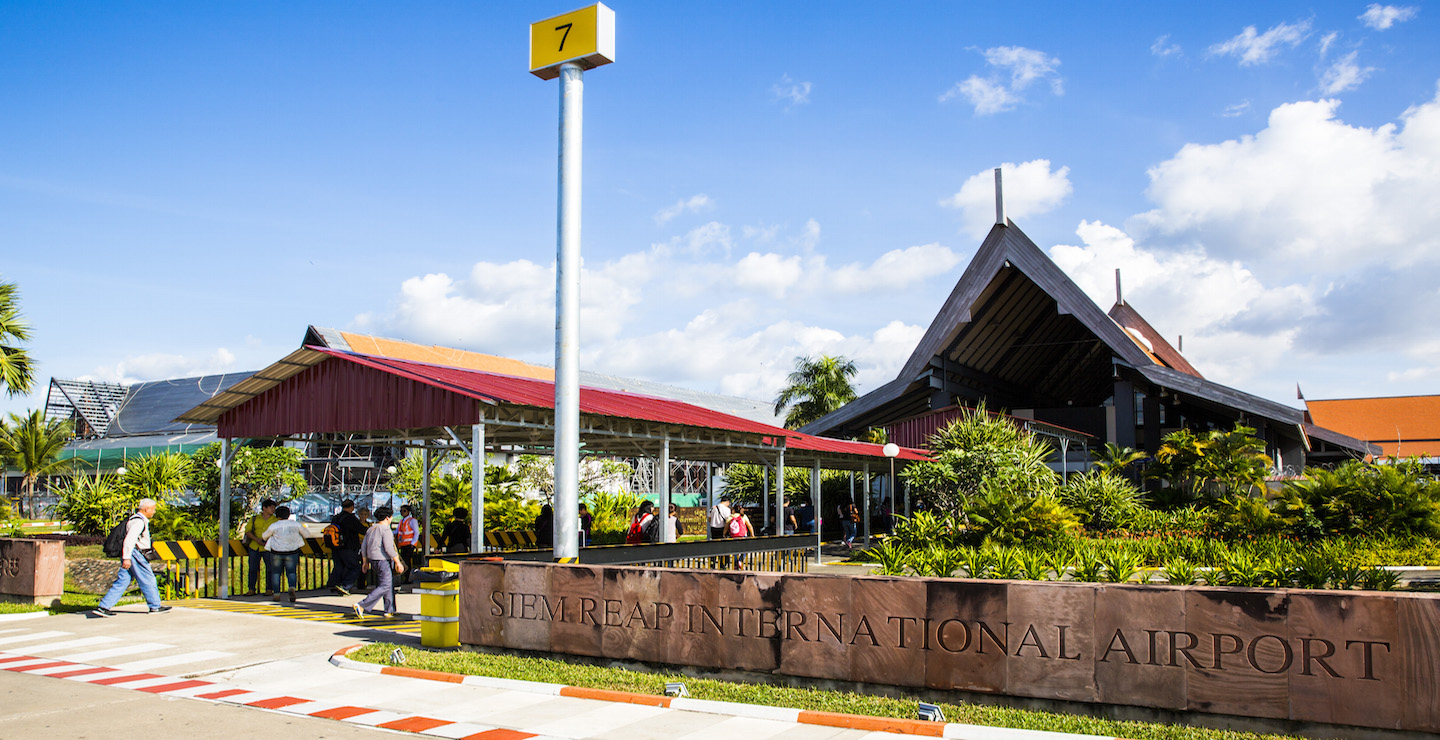
Since 2004, Cambodia has experienced economic growth, which has resulted in an increase in the number of travellers, including both among the local population and visiting tourists. To respond to growing needs, we designed and built extensions at two airports in the country, thereby doubling their surface areas. VINCI Airports relied on the expertise of VINCI Construction Grands Projets to achieve these expansion projects. Within the VINCI Group, concession know-how is combined with design-build know-how to respond optimally to future user needs. In addition, in 2017, has been delivered a new arrivals hall and boarding-area extension at Phnom Penh Airport.
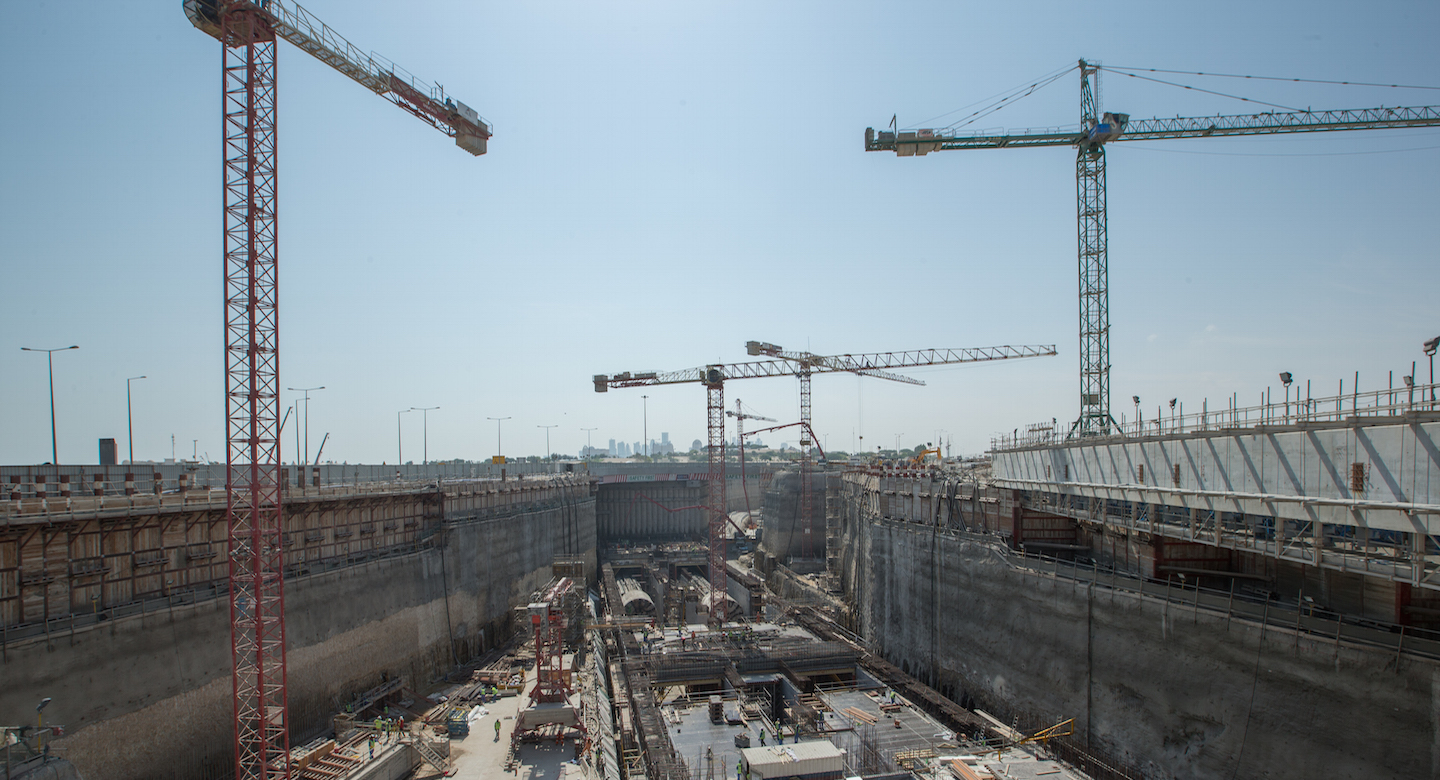
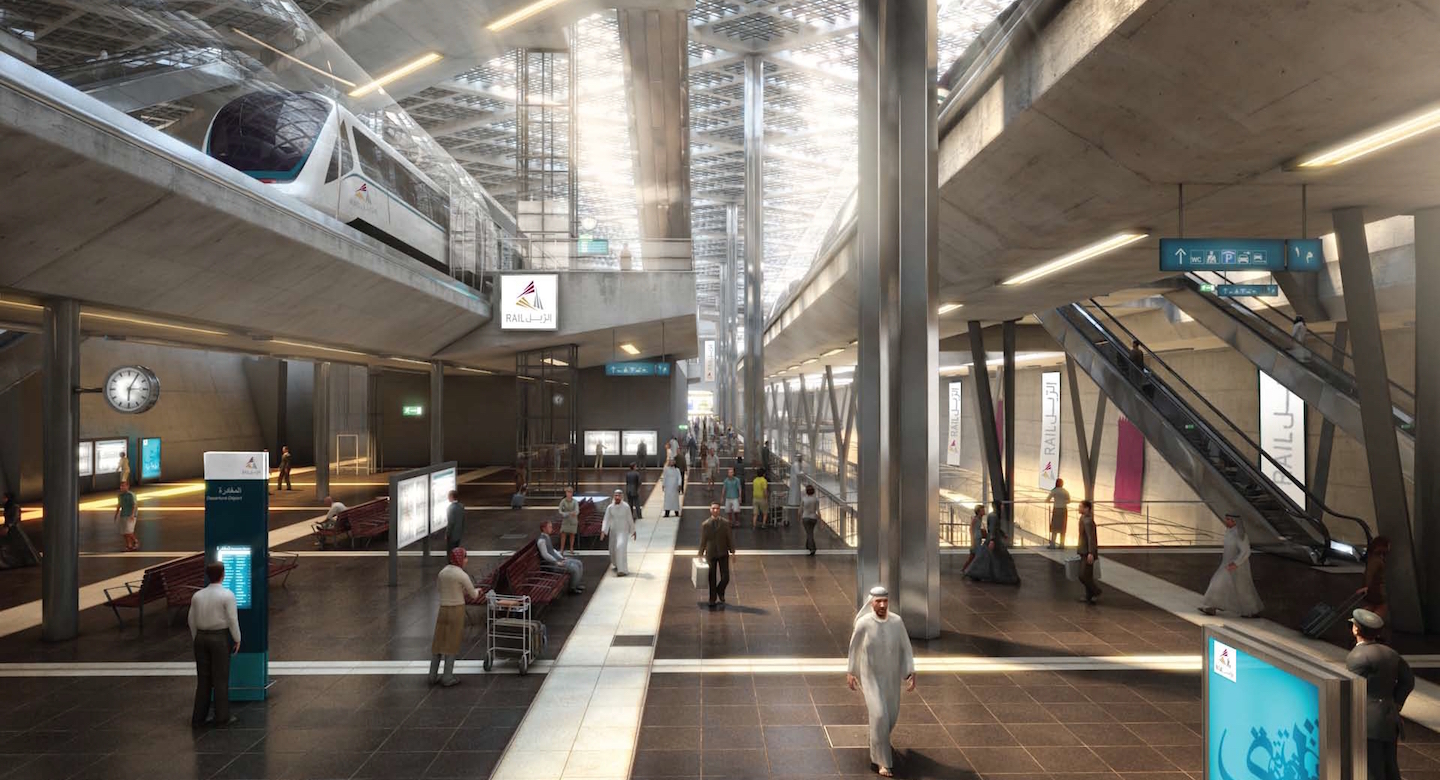
Usually, cities develop light rail transit (LRT) systems as a means of addressing existing traffic problems. This project, however, was completely atypical: it called for the development of an LRT in a city that existed only on paper.
The initial phase consisted in designing and building seven underground stations, a viaduct over the motorway that connects Doha to the northern part of the country, and preliminary works that included a depot and maintenance workshop for the LRT system. The second phase consisted in the construction of 25 stations and a depot, architectural and electromechanical lots, integrated project management, track-laying, power supply, telecommunications and control, and the delivery by our partner Alstom of 35 railcars equipped with catenary-free technology. The Yellow Line The yellow line was delivered in 2019 and the green, red and purple lines in 2020.
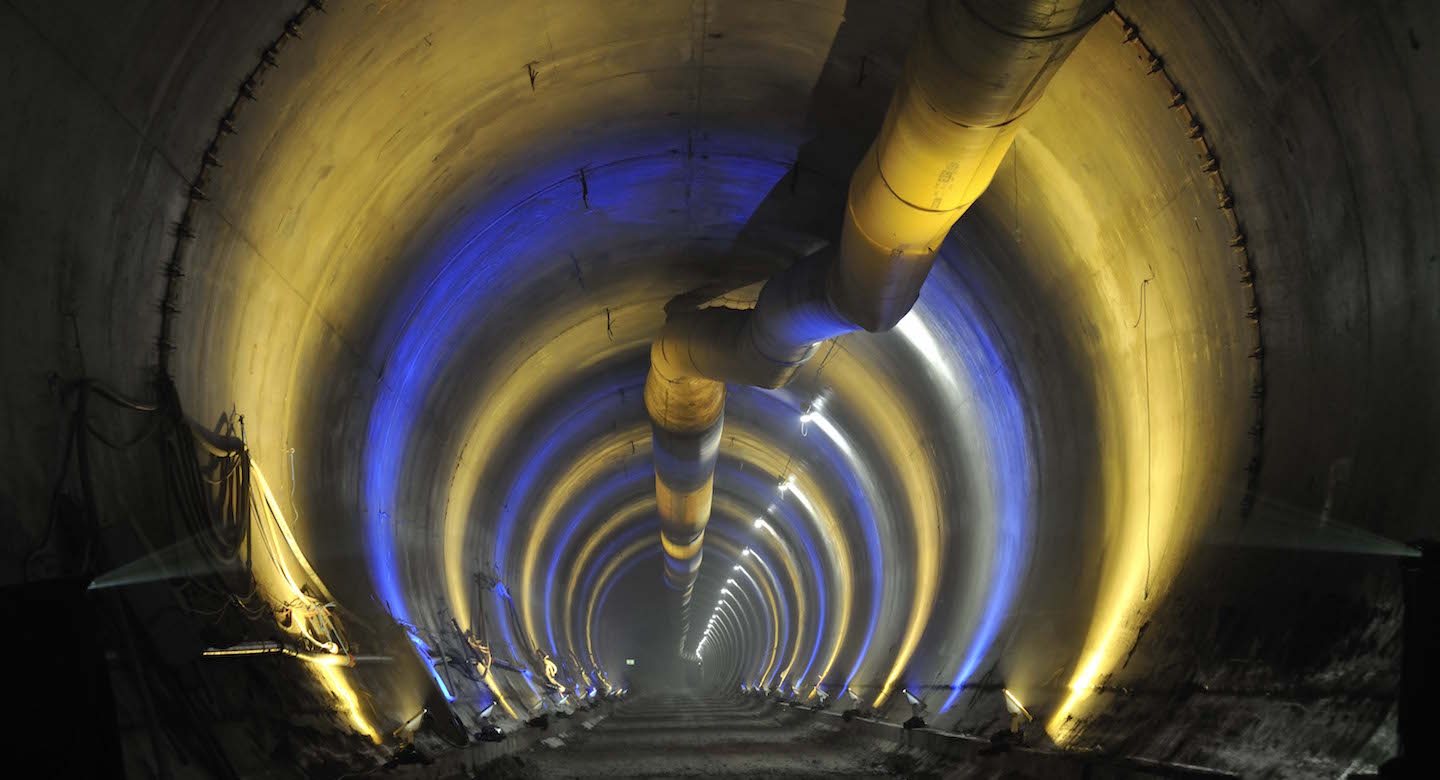
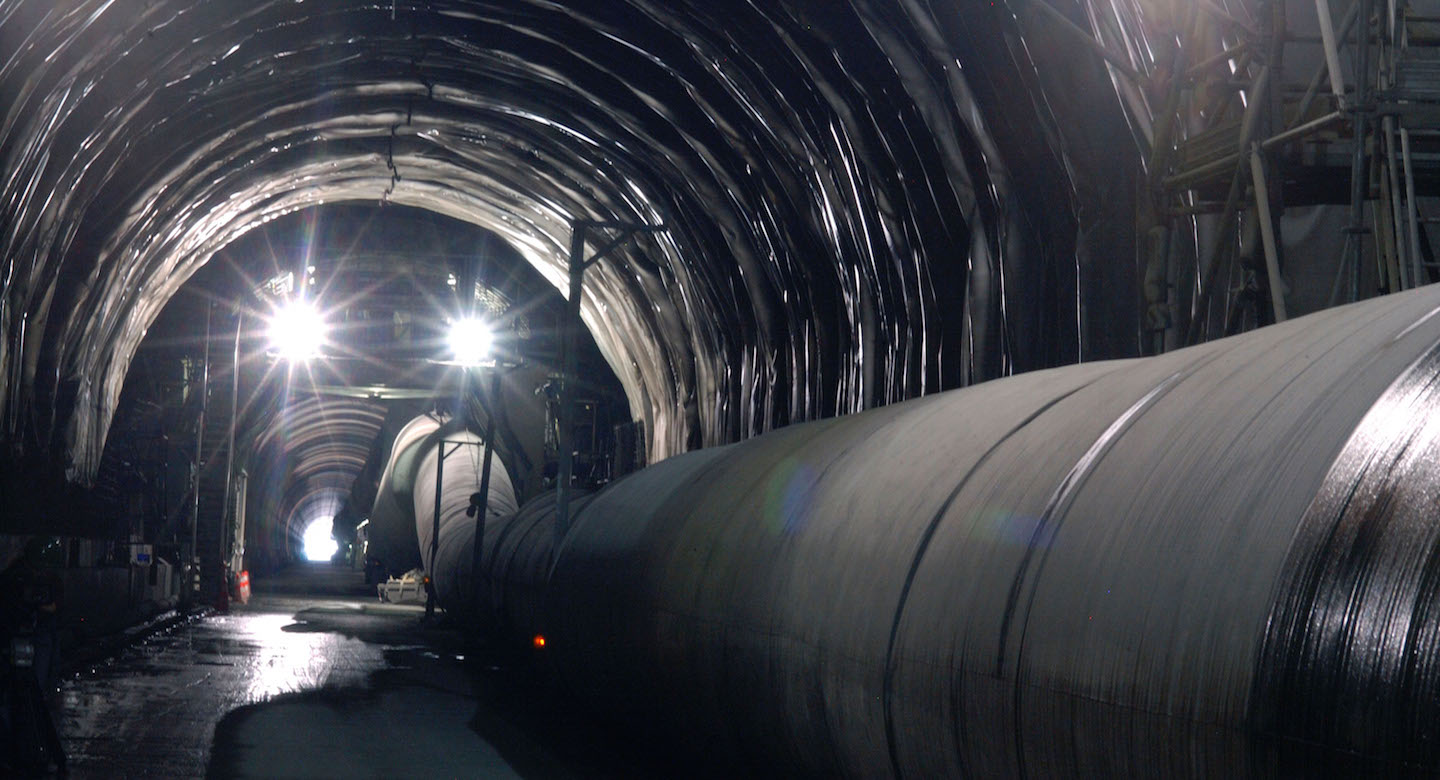
Figurará durante mucho tiempo en el ránking de las obras subterráneas excepcionales y habrá contribuido en gran medida al avance de las técnicas de perforación con tuneladora. El doble túnel ferroviario de Hallandsås, inaugurado el 8 de diciembre de 2015, situado en el oeste de Suecia, ha precisado más de 25 años de trabajo ininterrumpido antes de su puesta en servicio. El Parlamento sueco aprobó la construcción de 2 túneles ferroviarios de 11 kilómetros de longitud total y 9,04 metros de diámetro que conectaran Skottorp y Förslöv para reemplazar una única línea centenaria que forma un cuello de botella entre las ciudades de Gotemburgo y Malmö. El proyecto vio la luz en 1991 y no se terminó hasta 25 años más tarde, después de numerosas dificultades técnicas. Tras varios fracasos sucesivos por parte de empresas locales, Trafikverket nos encargó la ejecución de esta obra técnica en colaboración con la empresa sueca Skanska.
El reto que se asumió fue realizar más de 14 kilómetros de túneles bajo uno de los aeropuertos más importantes del mundo en lo que a tráfico de pasajeros se refiere. En concreto, se nos encomendó diseñar y construir 7 túneles de 14.160 metros de longitud total.
Para adaptarse a las limitaciones específicas del sitio y del entorno aeroportuario, el equipo de la obra tuvo que desarrollar técnicas especiales, en particular una tuneladora dual presión de aire y presión de tierras así como un procedimiento constructivo hacia delante que permitiera la aplicación de un revestimiento permanente de hormigón proyectado.
This infrastructure is a first for a country that has had, until now, only a bus network for a public transit system. Construction of this metro line is part of a vast development project in Qatar. VINCI Construction Grands Projets, through its local subsidiary QDVC, was mandated to design and build a 13.8-kilometre dual-tube underground rail line. The structure will connect Doha Airport to the district of Msheireb, the historic centre of the Qatari capital. The project also includes design and construction for five underground stations, 32 safety intert-tube connections, and five emergency evacuation shafts.
This five-year project mobilises a workforce of up to 3,000 people.
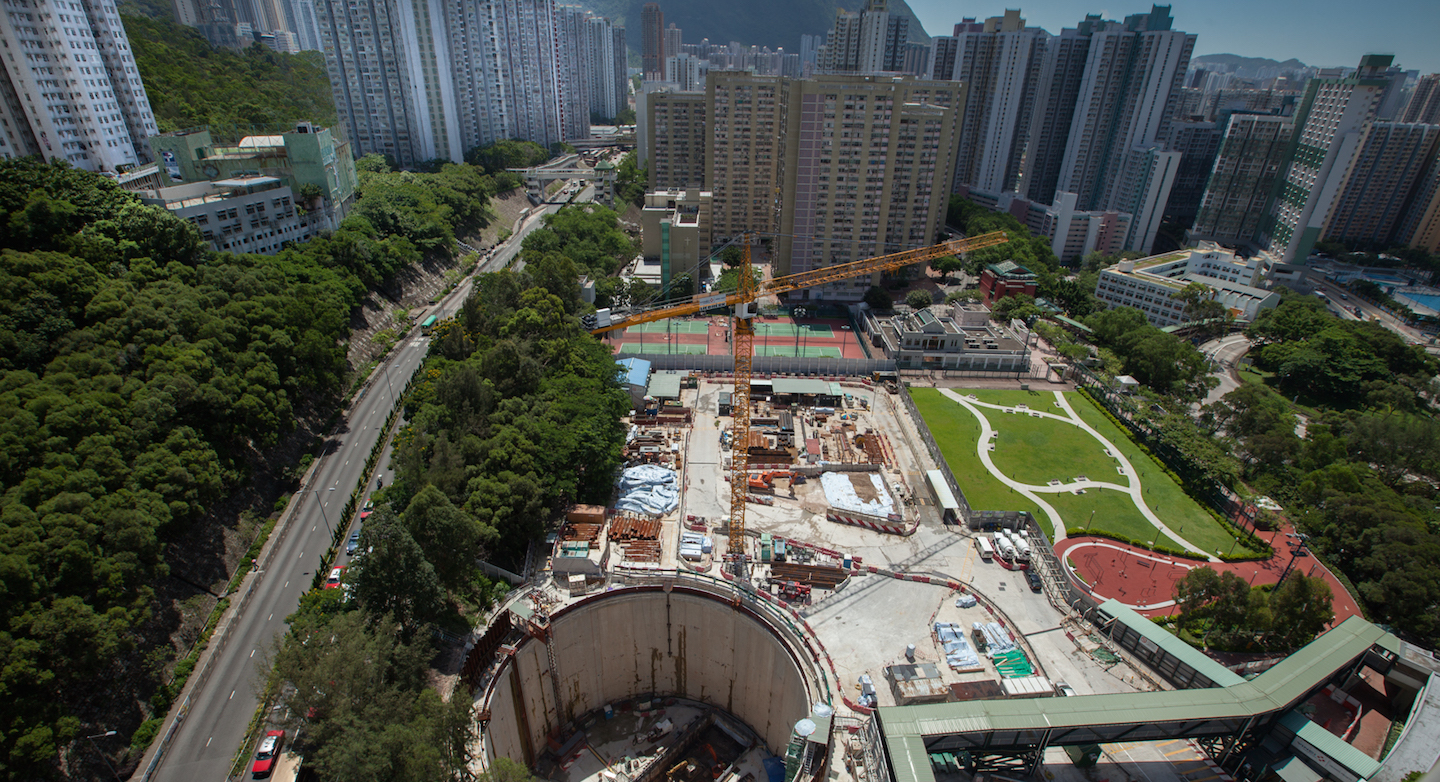
Tras participar hace más de 10 años en la construcción del metro de Hong Kong, entre 1998 y 2002, realizando los 5 túneles de Black Hill en el marco de la ampliación del metro hasta la ciudad nueva de Tseung Kwan O, MTR Corporation Limited (operador del metro de Hong Kong) encomendó a VINCI Construction Grands Projets la ejecución de 2 de los lotes de la nueva línea del metro SCL (Shatin to Central Link). El primero comprende la excavación de un túnel de 2.475 metros por voladura y de un túnel de dos tubos de 1.400 metros con tuneladora. El segundo lote incluye la excavación de un túnel de 700 metros por voladura.
The project was part of a construction initiative to build high-speed rail lines in Belgium, specifically between Brussels and the border with Germany: a distance of 147 kilometres, with the line going through Louvain and Liège.
On a 42-kilometre section of this line, VINCI Construction Grands Projets was mandated to build a tunnel more than 6 kilometres long between Chenée and Soumagne, close to the Chaudfontaine spa and about 10 kilometres from Liège.
The project covers more than 6.5 kilometres in total length and includes the 5.9-kilometre tunnel as well as two cut-and-cover trenches, 177 and 413 metres long, respectively. The two-way tunnel, which is sloped at 1.7%, includes a 110-m² excavated section.
This project covers the rail link to the tunnel below the English Channel, also known as High Speed 1 (HS1). This is the first high-speed rail line to be built in the United Kingdom. It is 108 kilometres long and connects the entrance to the Channel Tunnel (Chunnel) on the British side to London.
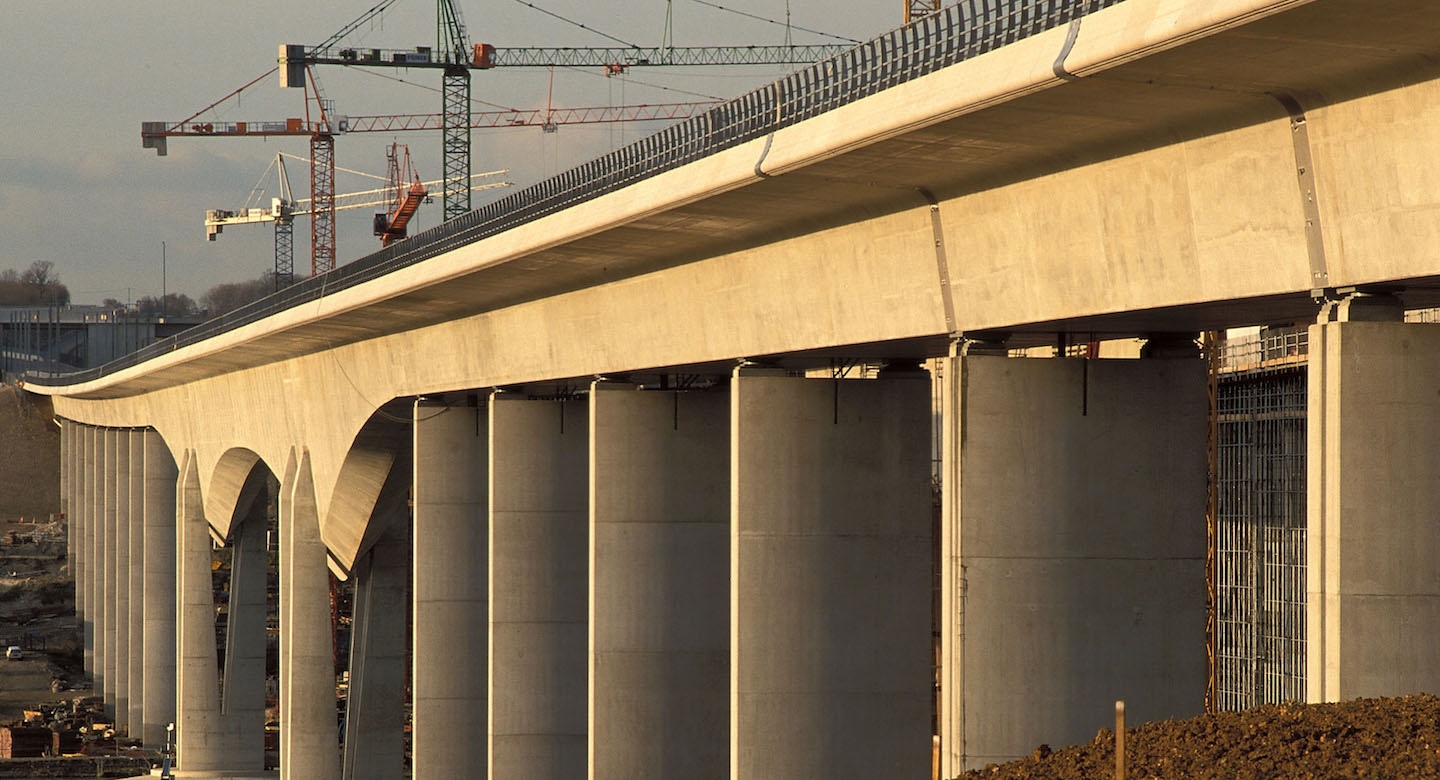
On this project, VINCI Construction Grands Projets was mandated by Union Railways Ltd to carry out 3 lots, including the construction of a single-tube tunnel 3 kilometres long, a bridge 1,255 metres long (including a 305-metre central span), a new section 13.8 kilometres long (including an incrementally launched bridge 1,025 metres long), two viaducts (675 and 454 metres, respectively), and 14 engineering structures of various kinds.
The Sud Europe Atlantique high-speed rail line (LGV SEA) is the largest civil engineering project in Europe this decade and the most extensive railway infrastructure concession contract ever awarded in Europe. This 300-kilometre-plus project is designed to reduce travel time between Paris and Bordeaux by nearly an hour. VINCI Construction Grands Projets was part of the consortium in charge of designing and building this new rail line whose operation by private interests is set for a period of 50 years. This rail project required the building of more than 500 standard engineering structures along the 302-kilometre line, including 24 viaducts, 15 grade separations, and 7 cut-and-covers.