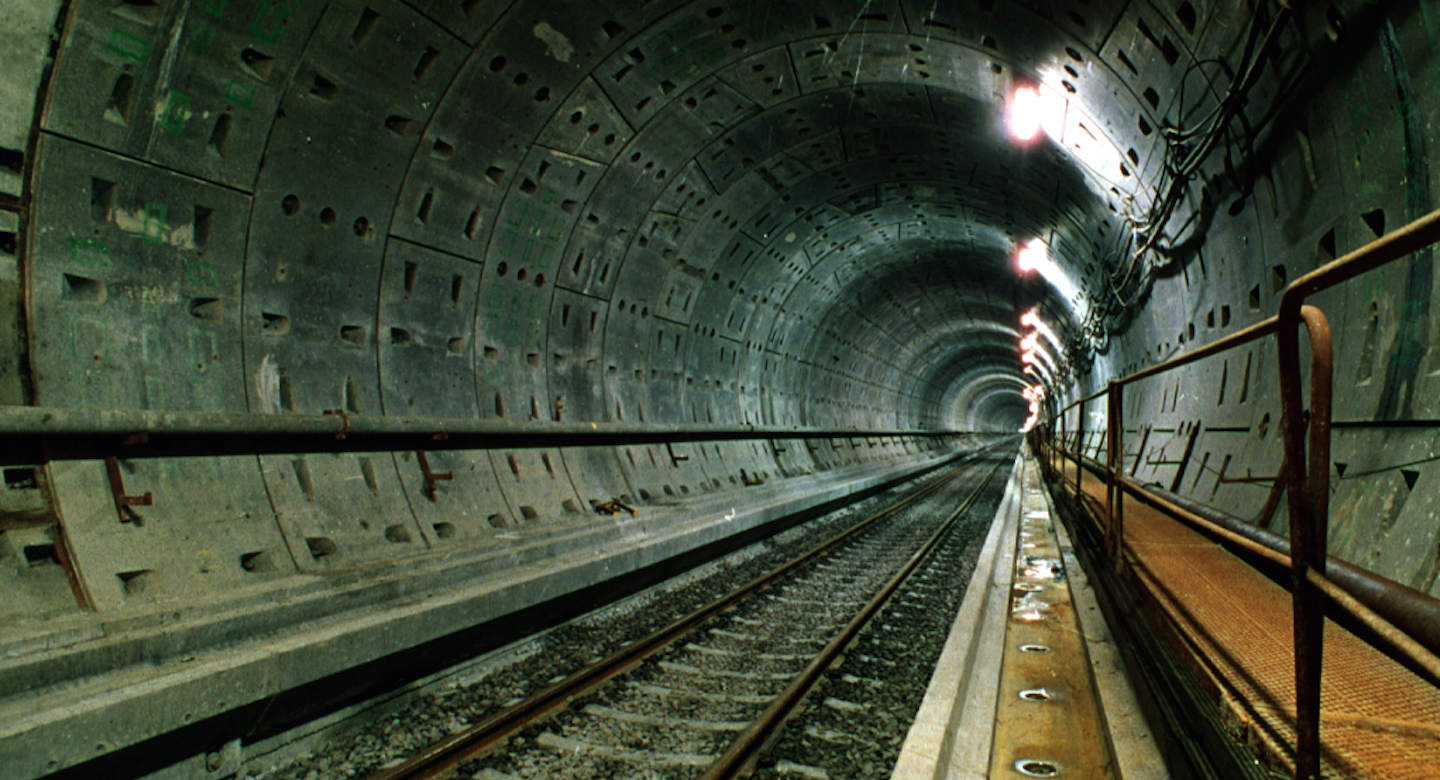
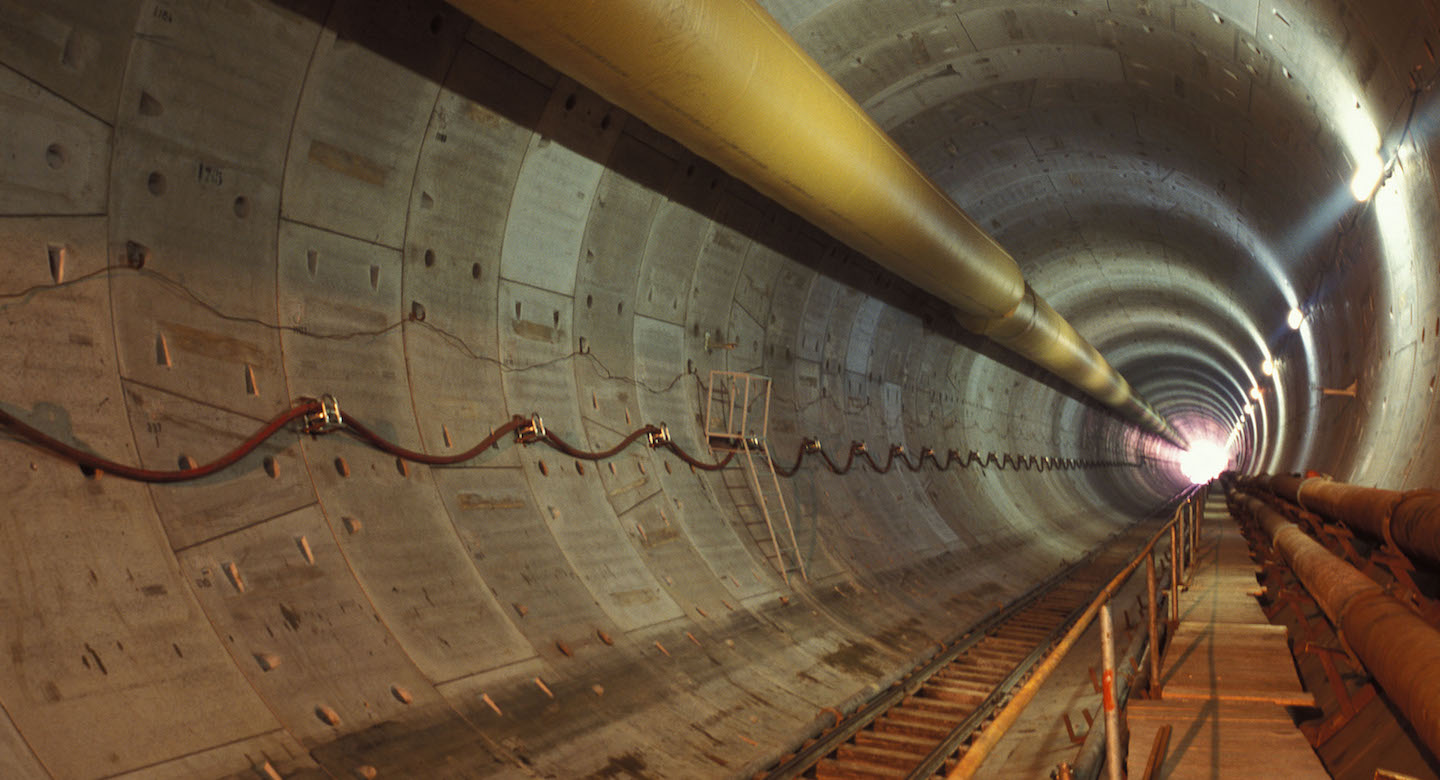
El diseño y construcción de los túneles ferroviarios del Storebælt es parte del proyecto de enlace fijo viario y ferroviario del Storebælt. Situados entre las islas de Selandia y de Sprogø (isla entre Fionia y la isla de Selandia), estos túneles se construyeron en el marco de realización de un enlace fijo entre Copenhague y el Continente.
El enlace del Gran Belt (enlace por carretera y ferrocarril entre las dos mayores islas de Dinamarca que son Selandia y Fionia), constituye el eje de transportes más importante del país. El proyecto incluye en su conjunto no menos de 18 kilómetros de obras de ingeniería. En este caso se nos encargó la construcción de dos de estos túneles (situados bajo el mar) de 7,4 kilómetros de longitud y un diámetro interno de 7,70 metros.
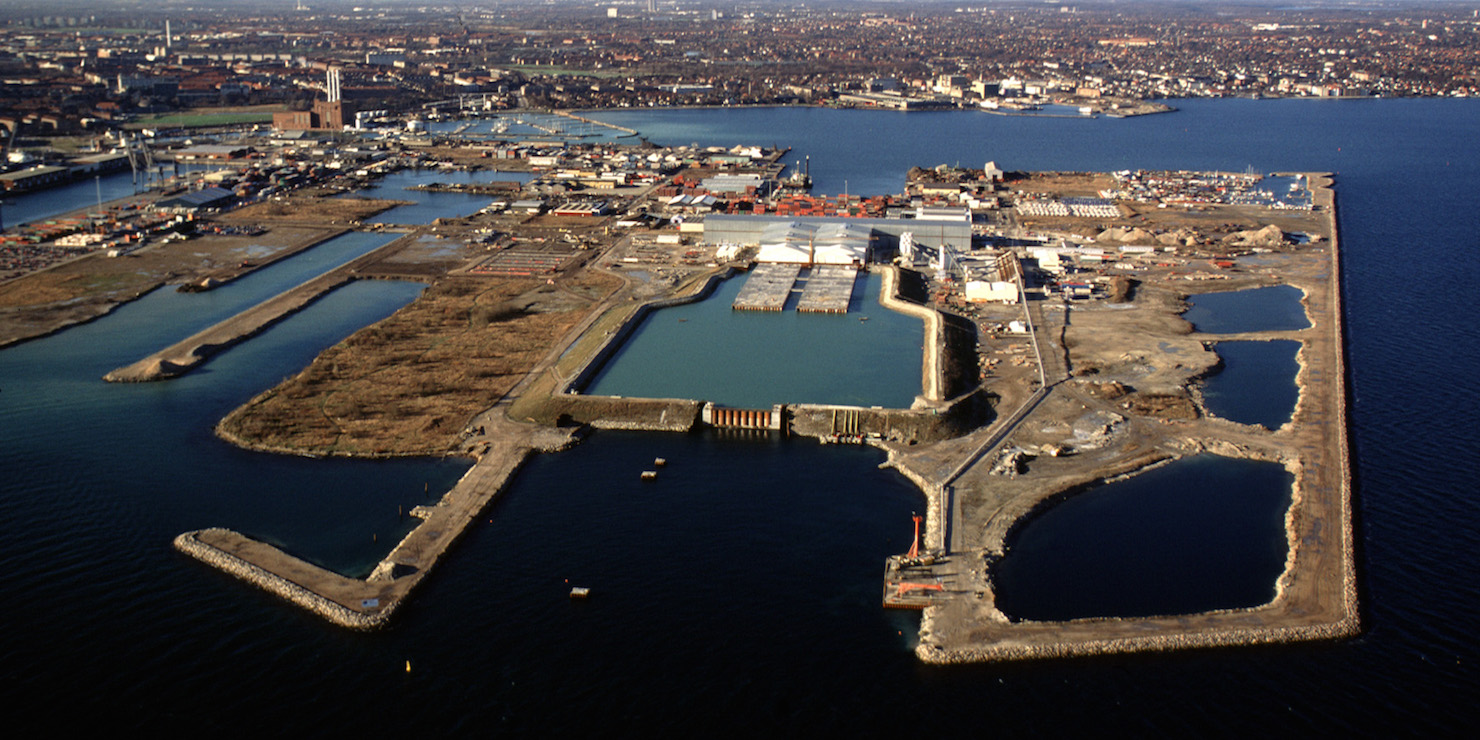
El puente-túnel de Øresund lleva del aeropuerto de Copenhague a la ciudad de Lernaken al sur de Malmö, e incluye sucesivamente: un túnel, una isla artificial, un viaducto, un puente atirantado y un segundo viaducto. El conjunto, de 16 kilómetros de longitud, permite el paso de una autopista y de una vía férrea, y fue objeto de 3 contratos principales. El primer contrato para la construcción del túnel, el segundo para las labores de dragado y el tercero para la ejecución del puente.
Se encomendó a VINCI Construction Grands Projets el diseño y construcción del túnel. El proyecto incluía, en concreto, la construcción de un túnel sumergido de 3.510 metros con una autopista de 2 carriles por sentido y una vía férrea de doble vía (lo que supuso entonces un récord mundial para este tipo de obras). El túnel está compuesto por pórticos y rampas de acceso en ambos extremos, edificios técnicos que albergan los sistemas de ventilación y las conexiones a las redes ferroviarias y de carreteras.
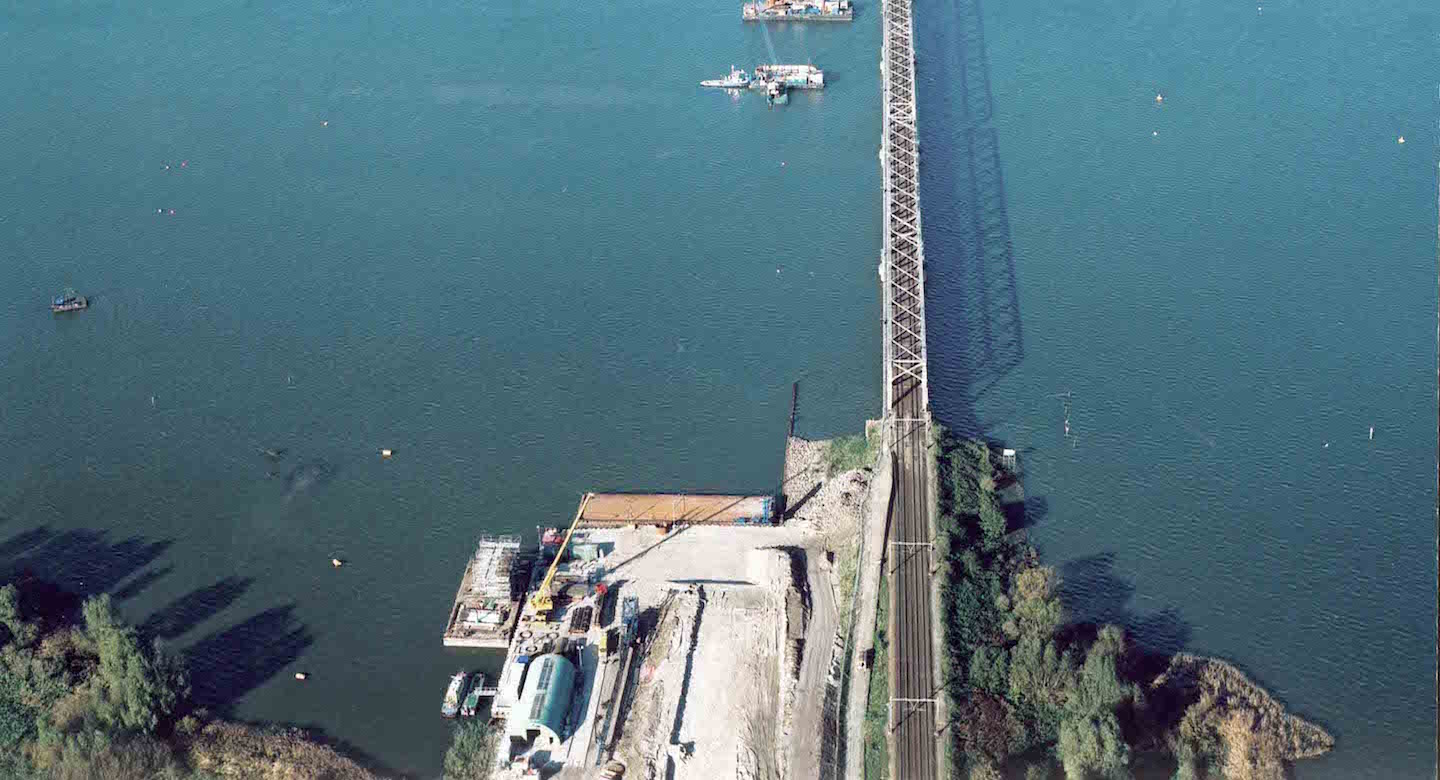
VINCI Construction Grands Projets was mandated by the ministry of transport, public works, and water management in the Netherlands to design and build a 16-kilometre section including a composite bridge (steel structure) spanning the Hollandsch Diep (1,190 metres long), two underwater tunnels crossing the Oude Maas and Dordtsche Kil (2,640 and 2,600 metres long, respectively), a 1,000-metre access viaduct, various engineering structures such as bridges and trenches, including the 935-metre Mokhoek open trench as well as 8.5 kilometres of railway infrastructure slabs resting on 27,000 driven piles.
This mandate is Lot Number 4 of the HSL project (fourth geographical sector out of a total of five for the high-speed line connecting Amsterdam to the border with Belgium).
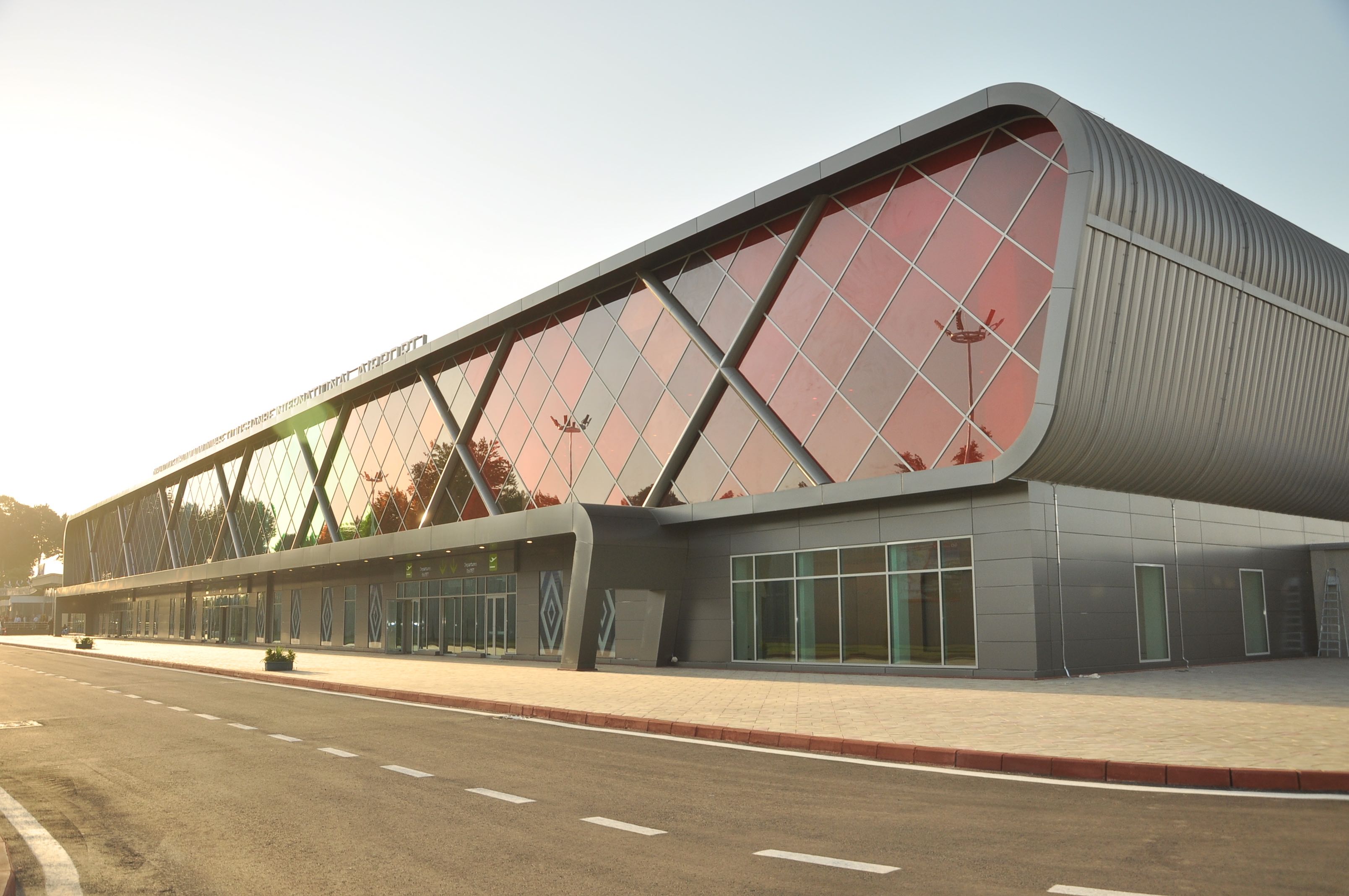
The new terminal at Dushanbe International Airport is designed to deliver better service to users. For this project, we designed and built a two-level, 12,000-square-metre building that can accommodate 1.5 million passengers a year. The project was launched in 2012 and the terminal was inaugurated in September 2014.
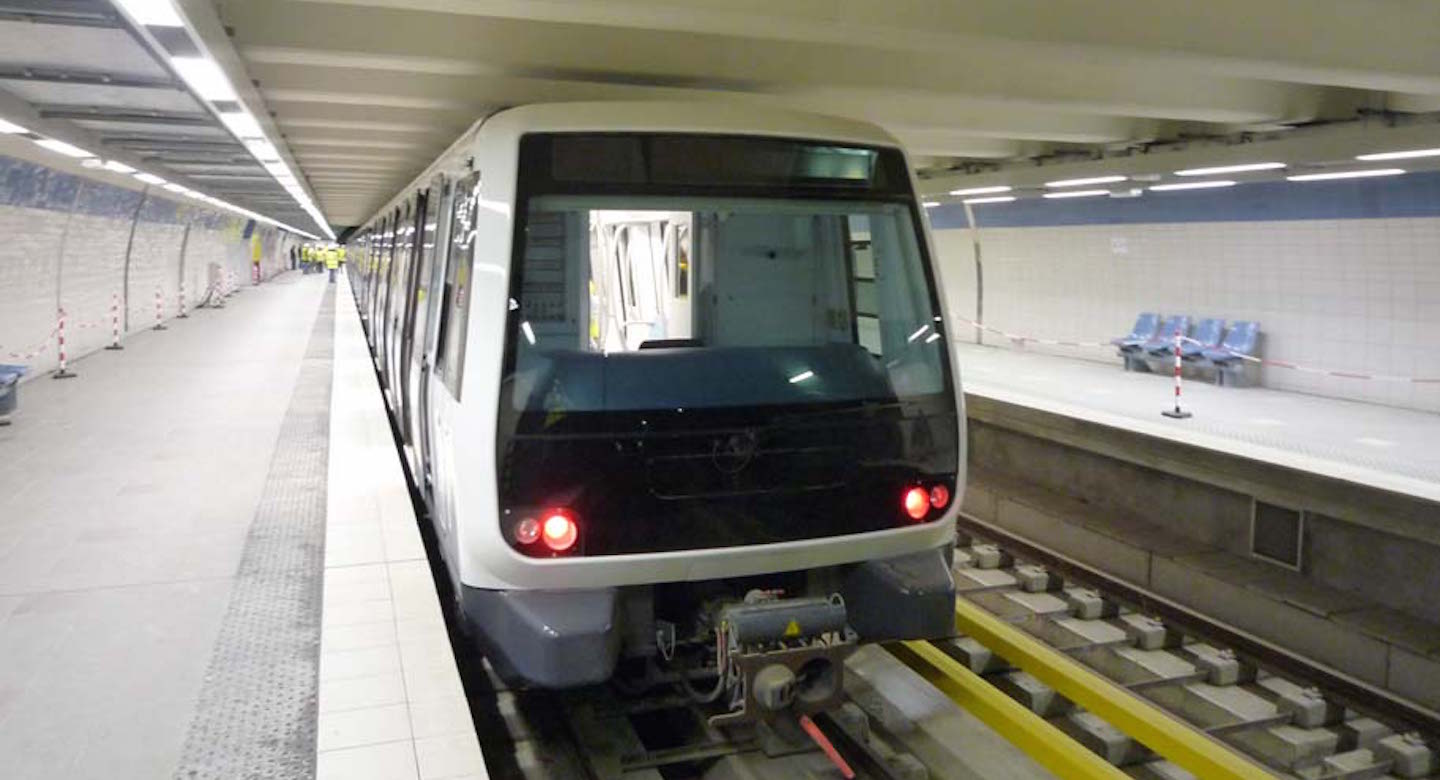
In January 2006, the Entreprise Métro d’Alger entrusted the construction of Algiers’ first metro line to a consortium consisting of VINCI Construction Grands Projets, Siemens Transportation Systems and the Spanish company CAF. It was a contract for the turnkey delivery of a 9.5 km rapid transit line with a rolling stock of 14 trains for the Algerian capital. Our portion consisted of the finish and layout of 10 stations (nine underground and one overground), as well as the construction of a 16,000 m² service building and maintenance rooms.
VINCI Construction Grands Projets was responsible for the civil engineering works, architectural layout of the stations, electromechanical equipment, escalators as well as the Anassers control station and the Bach Djerah maintenance rooms.
Construction of this dual rail tunnel below the Pannerdensch Canal was part of the “Betuwe” project, a new rail line designed to convey merchandise between the port of Rotterdam and Holland’s border with Germany. This 160-kilometre line can accommodate container railway cars. The work package assigned to us called for the design and construction of the Pannerdensch tunnel, a 6.3-kilometre structure. The project included construction of a dual bored tunnel 1,620 metres long (8.5 metres in inner diameter), portals and access ramps over a distance of 1,200 metres, and 3.3 kilometres of railway platform made from backfill material. In addition, the Pannerdensch Canal tunnel possesses a special feature: it is equipped with gates (square cofferdams) at either end designed to prevent flooding.