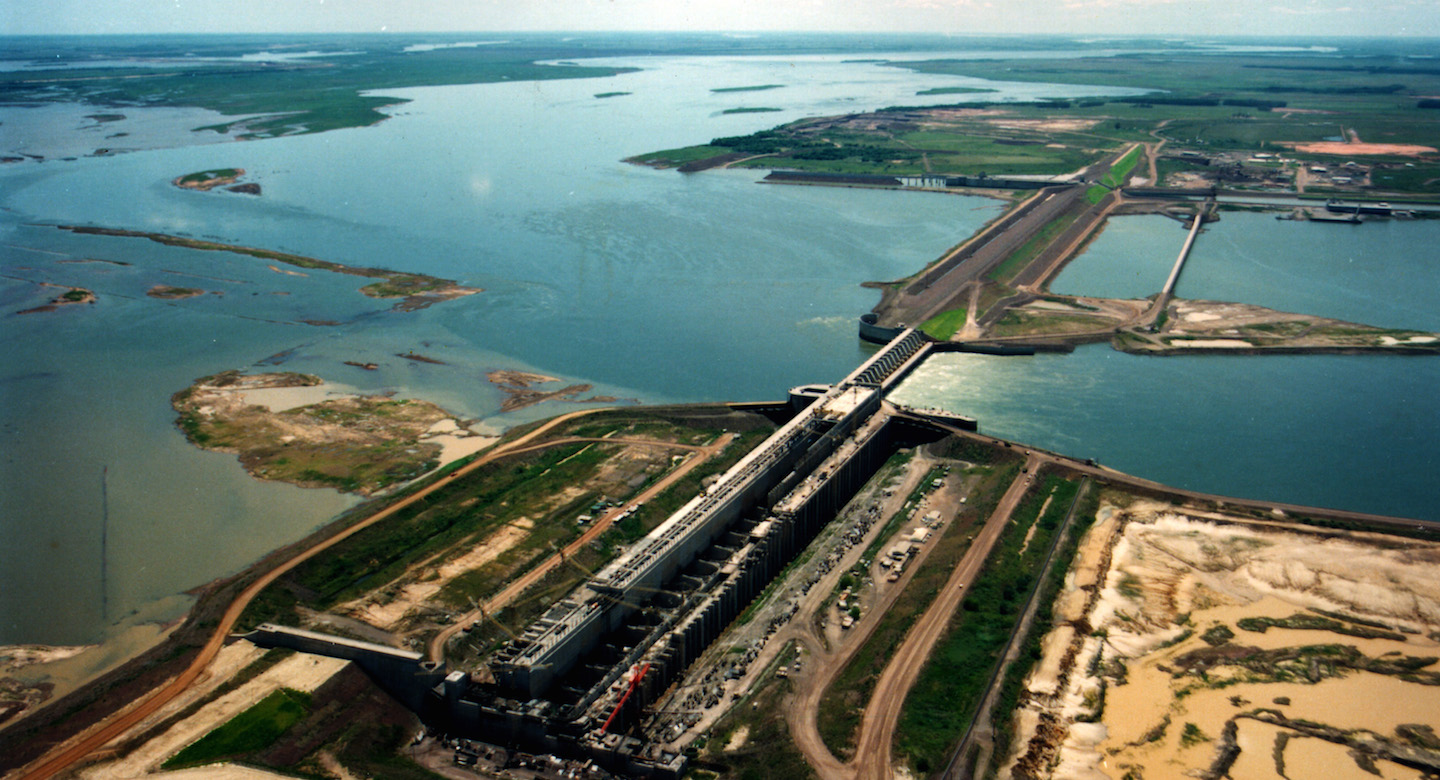
The Yaciretá/Yacyreta (the “cradle of the moon” in Guarani) Dam is located on the Paraná River in the northernmost part of Argentina near the border with Panama. It is a nearly 70 km long earth dam which includes four main concrete structures measuring almost 3.4 million cubic metres. This construction comprises a 236 m navigation lock, a main weir with 18 radial gates that are each 15 m wide and a discharge rate of 55,000 m3/s, a hydroelectric power plant with 20 Kaplan turbines with a diameter of 9 m (annual production of 17,000 GWh) and a secondary weir (on the second arm of the Paraná River) with radial gates and a discharge rate of 40 000 m3/s.
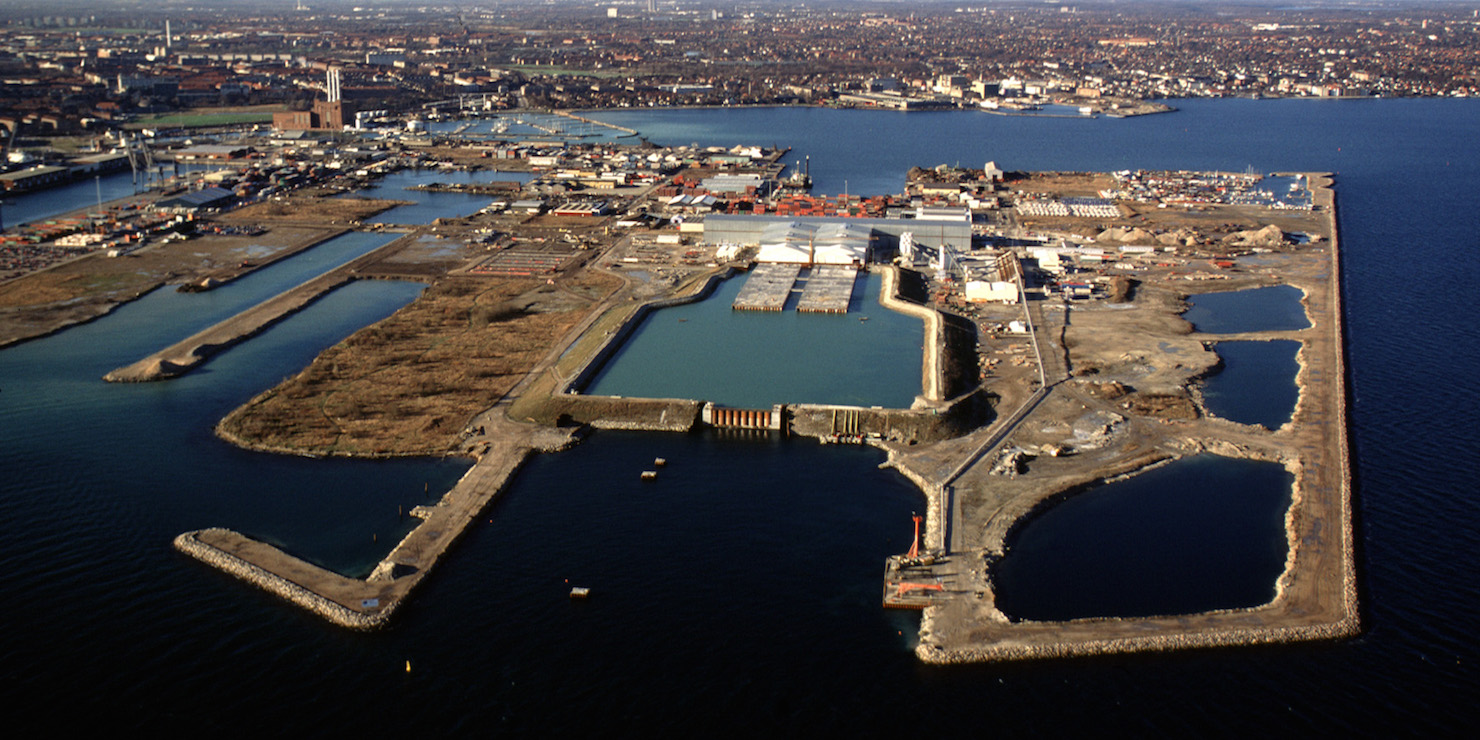
The Øresund crossing connects Copenhagen Airport to the city of Lernaken, south of Malmö. It includes, in succession, a tunnel, an artificial island, a viaduct, a cable-stayed bridge, and a second viaduct. The infrastructure, which as a whole extends over a distance of 16 kilometres and accommodates both a highway and a rail line, is the result of 3 major contracts. The first contract called for the construction of a tunnel, the second for dredging operations, and the third for a bridge. VINCI Construction Grands Projets was mandated to design-build the tunnel. To be more specific, this project included construction of an submerged tunnel 3,510 metres long enclosing a dual 2-lane highway and double-track rail line (making it then the longest structure of its kind in the world). The tunnel includes gateways and access ramps at both extremities, technical buildings housing the ventilation systems, and exits linking to road and rail networks.
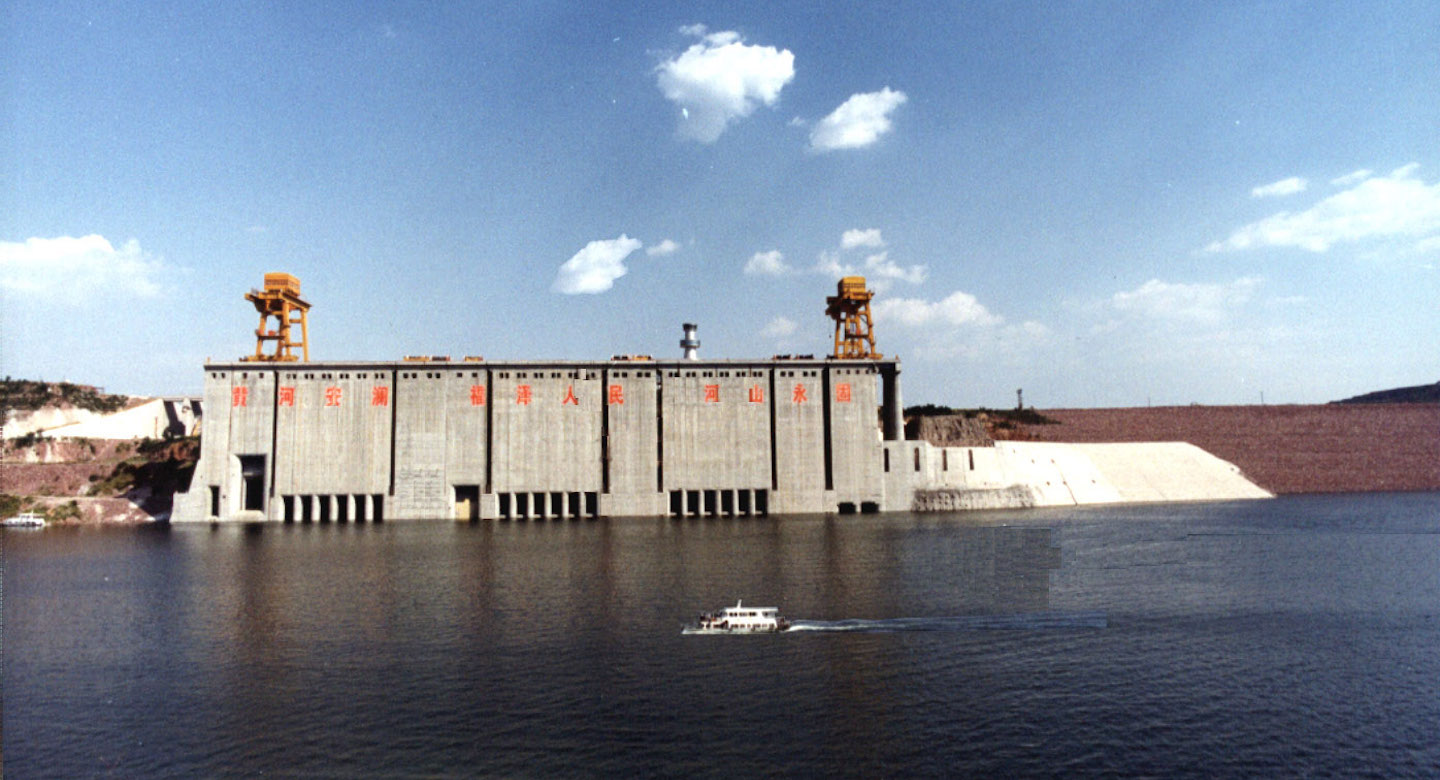
The Xiaolangdi hydroelectric power station on the Yellow River, located 180 kilometres from Zhengzhou, 40 kilometres from Luoyang, and 600 kilometres from Beijing, marks the achievement of a longstanding aspiration, namely, to “tame” the Yellow River, the cradle and scourge of Chinese civilisation.
The structure consists of a sloping earth-core rockfill dam 154 metres high and 1,317 metres long at the crest, a water intake 112 metres high and 278 metres wide, and an underground power plant 252 metres long, 26 metres wide, and 61 metres high. From 1994 to 1999, Dumez-GTM took part in building this power plant as the lead contractor in the joint venture in charge of the project. The primary objective was to control sedimentation in the Yellow River to mitigate its destructive flooding. One of the defining characteristics of this structure, however, is that it meets a multiplicity of objectives, including power-generation and improved use of water for agriculture in the region.
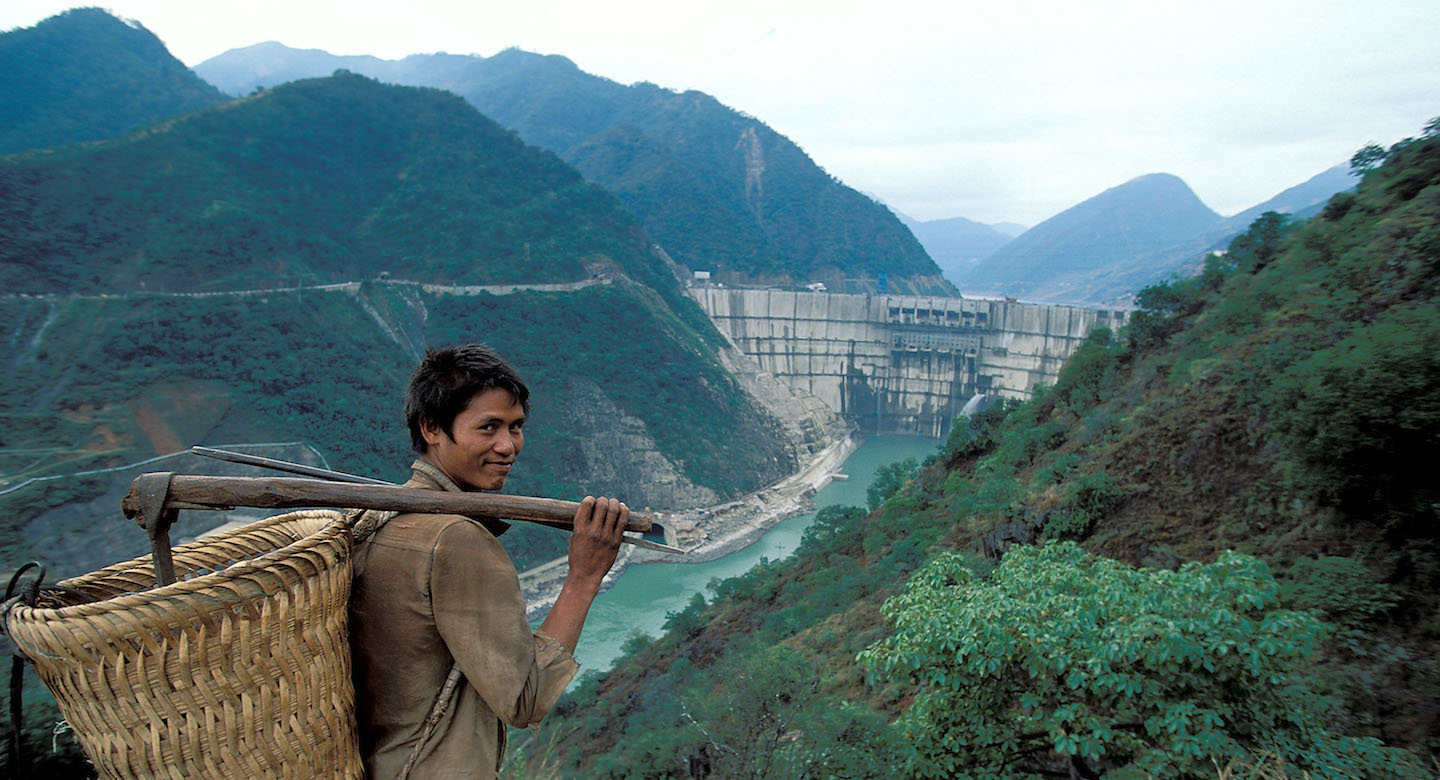
Ertan Dam, located at nearly 1,200 metres above sea level on the Yalong River, close to the city of Panzhihua, is the largest hydroelectric power-generation structure built in China after the Three Gorges Dam. Nearly 91 months were needed to complete it. This double-curvature concrete arch dam, 240 metres high and 775 metres long at the crest, is part of a much larger project consisting of 11 dams. The larger project is designed to put the region’s hydroelectric power-generating potential to use. Ertan Dam’s 17,000-gigawatt annual output capacity provides an alternative to coal, which is very polluting, and support economic development in the Sichuan region.
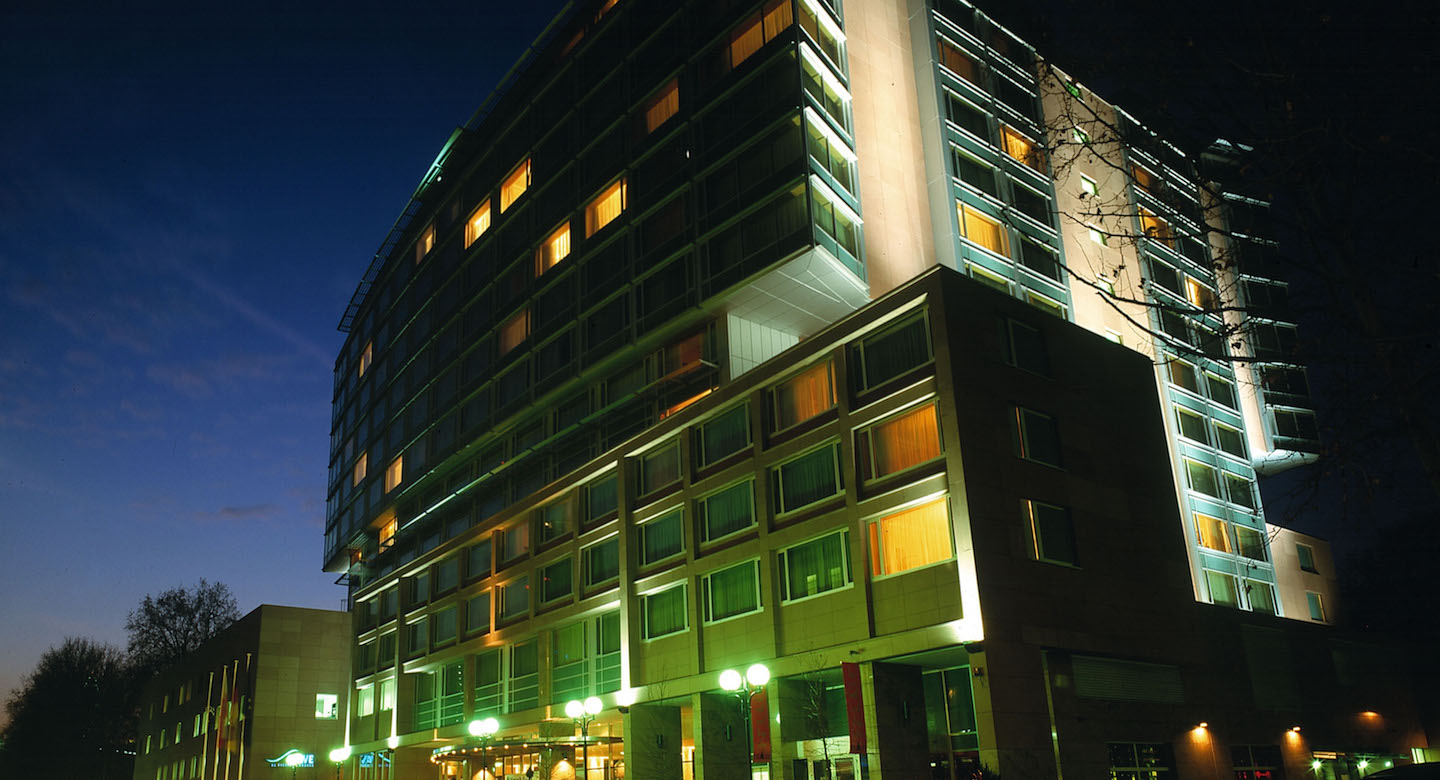
The “Stadtbad Mitte” Hilton Hotel located in Frankfurt’s financial district close to the Alte Oper is a two-building complex. The first building is a 13-storey hotel; the second houses a swimming pool (there were originally two swimming pools in this building, but only one was preserved for use as part of the hotel complex). The hotel includes 345 rooms, 14 presidential suites, a multi-functional hall with seating for 600, six conference rooms, two restaurants, one bar, one fitness centre, and a 25-metre swimming pool. The hotel’s net floor area is 29,000 m2.
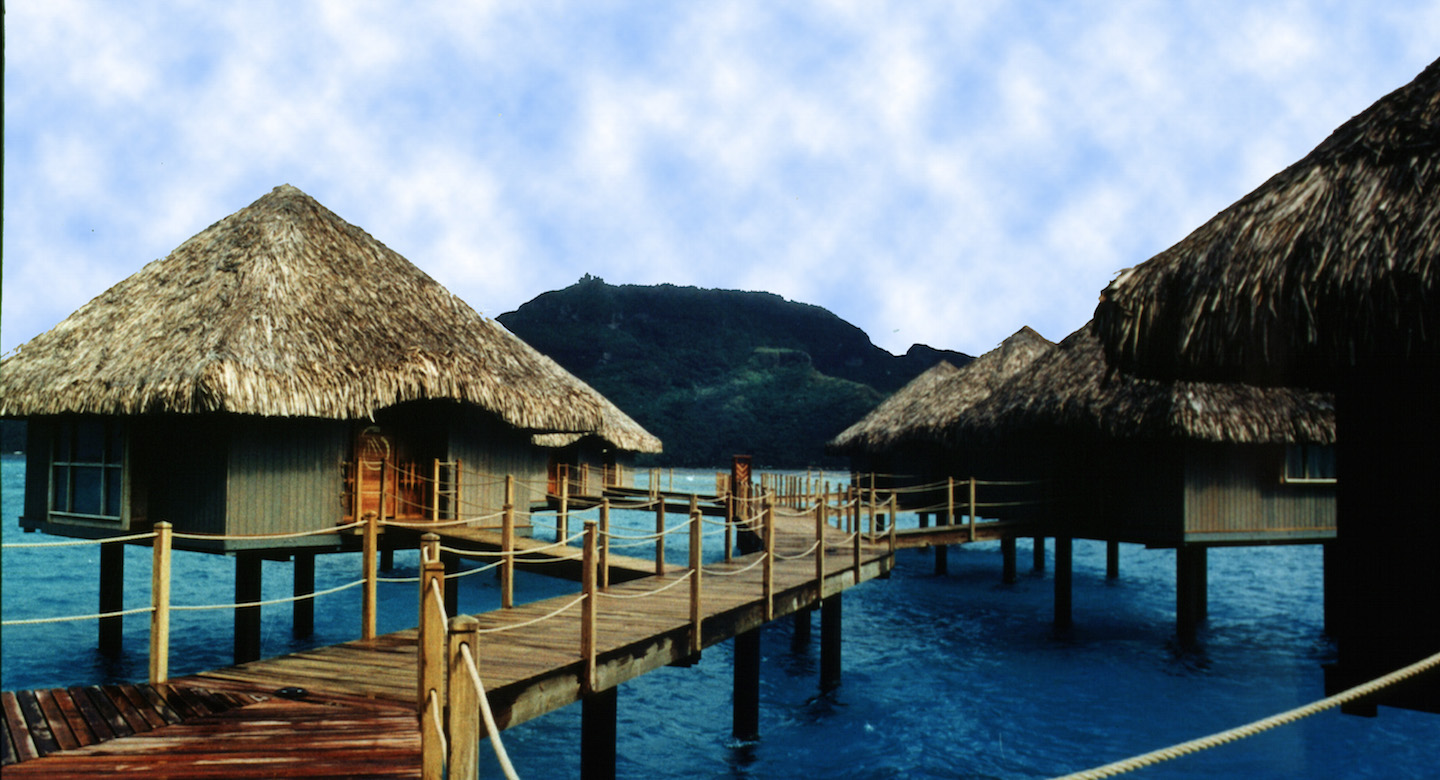
The Meridien Hotel in Bora-Bora is a tourism complex built on the island of Bora-Bora located 220 kilometres northwest of the island of Tahiti. The hotel, which is managed by the Meridien group, is a high-end, 4-star establishment.
It consists of 100 bungalows, including 85 perched over a large lagoon at 2.5 metres above the water, with the remaining 15 sitting on land surrounding a small lagoon. The bungalows are clustered into two 2 groups. A pontoon-and-footbridge network links the bungalows to the mainland.
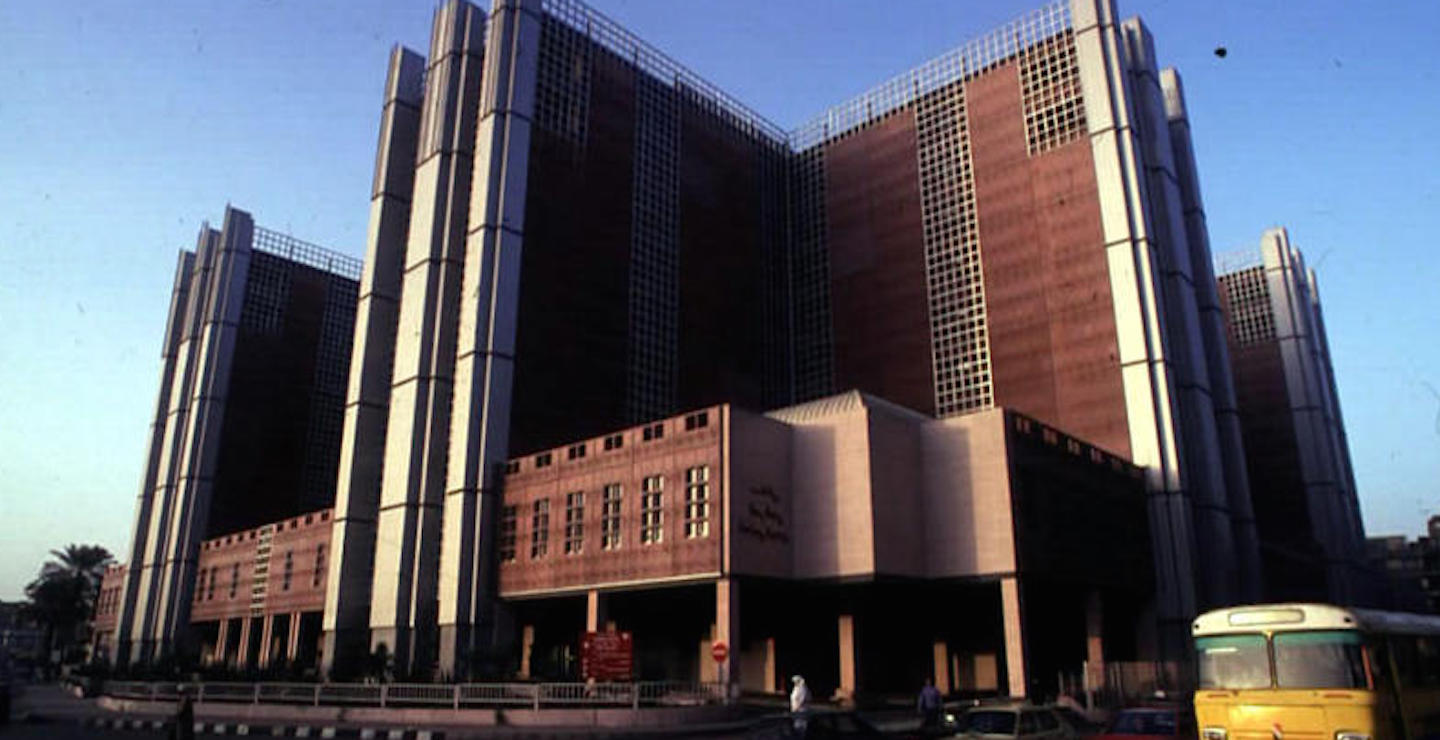
This is a turnkey project for the delivery of a 85,000 m2 teaching hospital with 1,200 beds. The goal of this construction was to be able to bring together several activities under a single roof. This is why this new hospital can provide medical care, serve as an educational centre for medical students, accommodate junior doctors, host scientific research and run a private clinic at the same time.
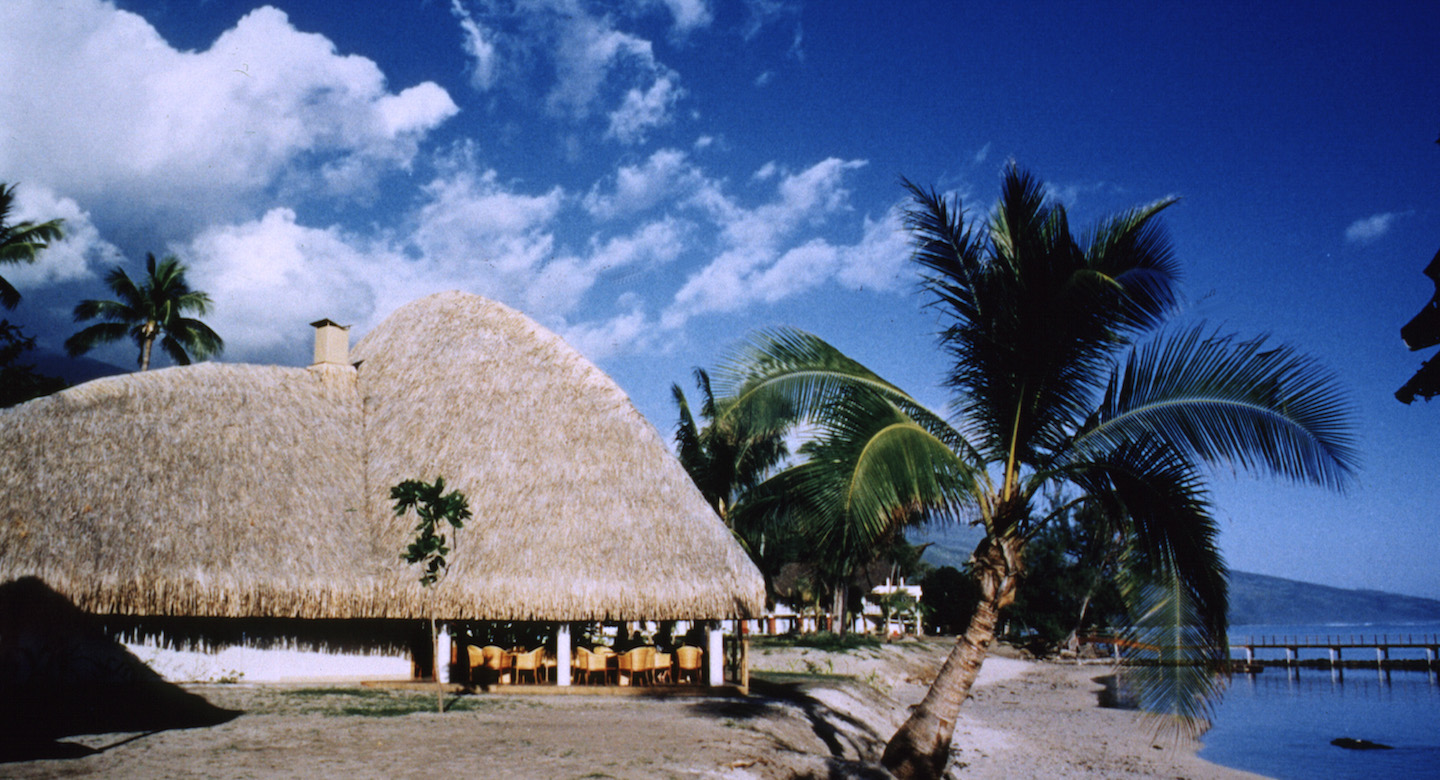
The Meridien Hotel in Tahiti is a tourist resort located 15 kilometres from Papeete on land adjoining the Tahiti lagoon. This general contracting construction project for a 4-star hotel consists of 12 bungalows and 138 rooms in 9 buildings for a total of 17,600 m² of usable floor space on a 5-hectare lot. The Meridien group manages this hotel complex.
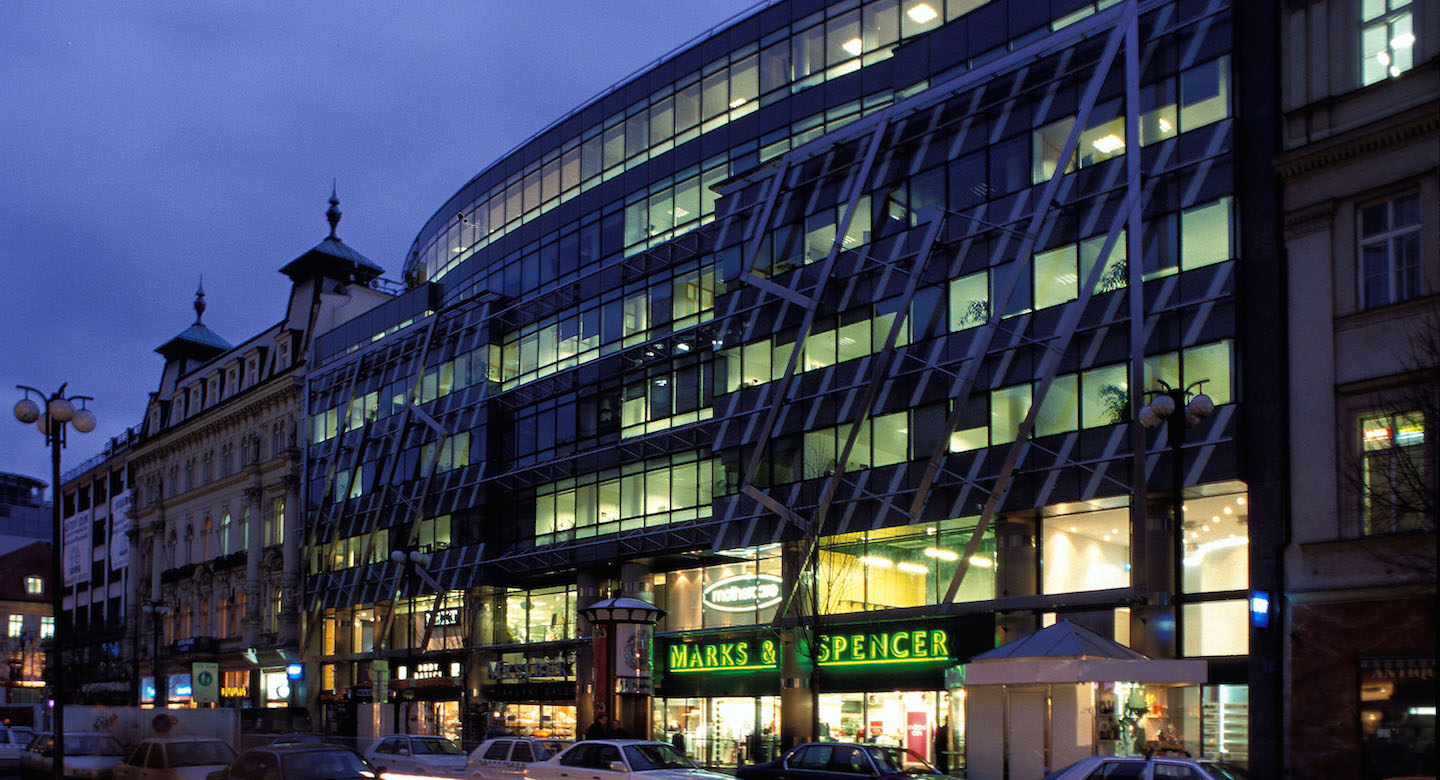
The Myslbek, located in Prague’s historical Old Town, is a high-end building consisting of office space and shops. The building features 6 storeys of usable area and 4 levels of underground parking with a total of 300 spaces.
The building covers a total area of 44,000 m², including 17,600 m² of office space, 6,400 m² of retail space, and 1,100 m² of public walkways.
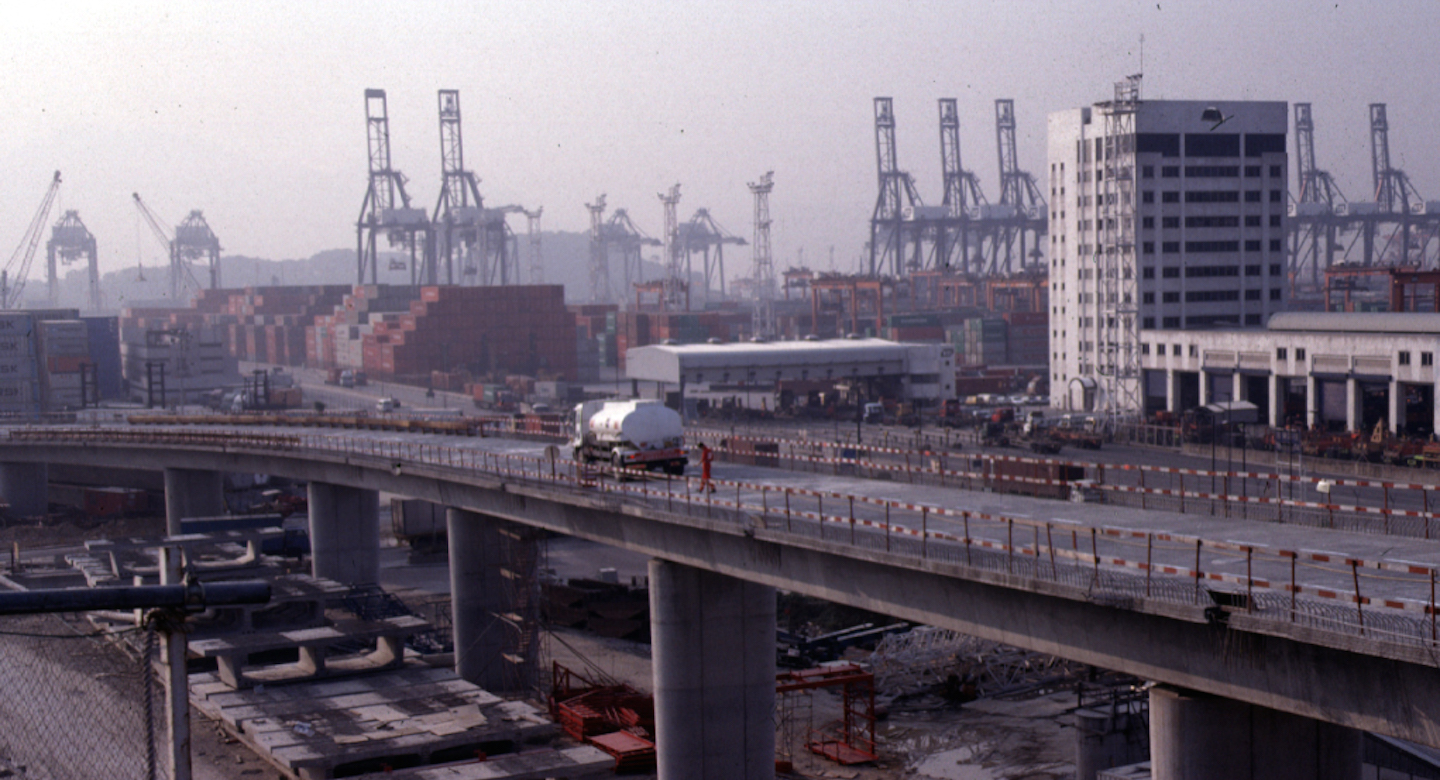
Designing and building, under tight deadlines, a viaduct overlooking 15 highway lanes without disrupting traffic – that was our challenge in Hong Kong. Construction of the Kwai Chung viaduct was part of a program designed to connect the new Chek Lap Kok Airport to the city centre. The project called for the construction of a 3-kilometre, 8-lane highway viaduct with precast beams, 4.2 kilometres of access ramps and interchanges with precast concrete segments, and a 5,270-metre railway viaduct with precast concrete segments. Studies for the main viaduct, support structures, and construction methods were carried out concurrently in an effort to minimise the length of the project. Full-fledged cooperation among the engineering design office, the team responsible for determining construction methods, and the builders made this project a success story.