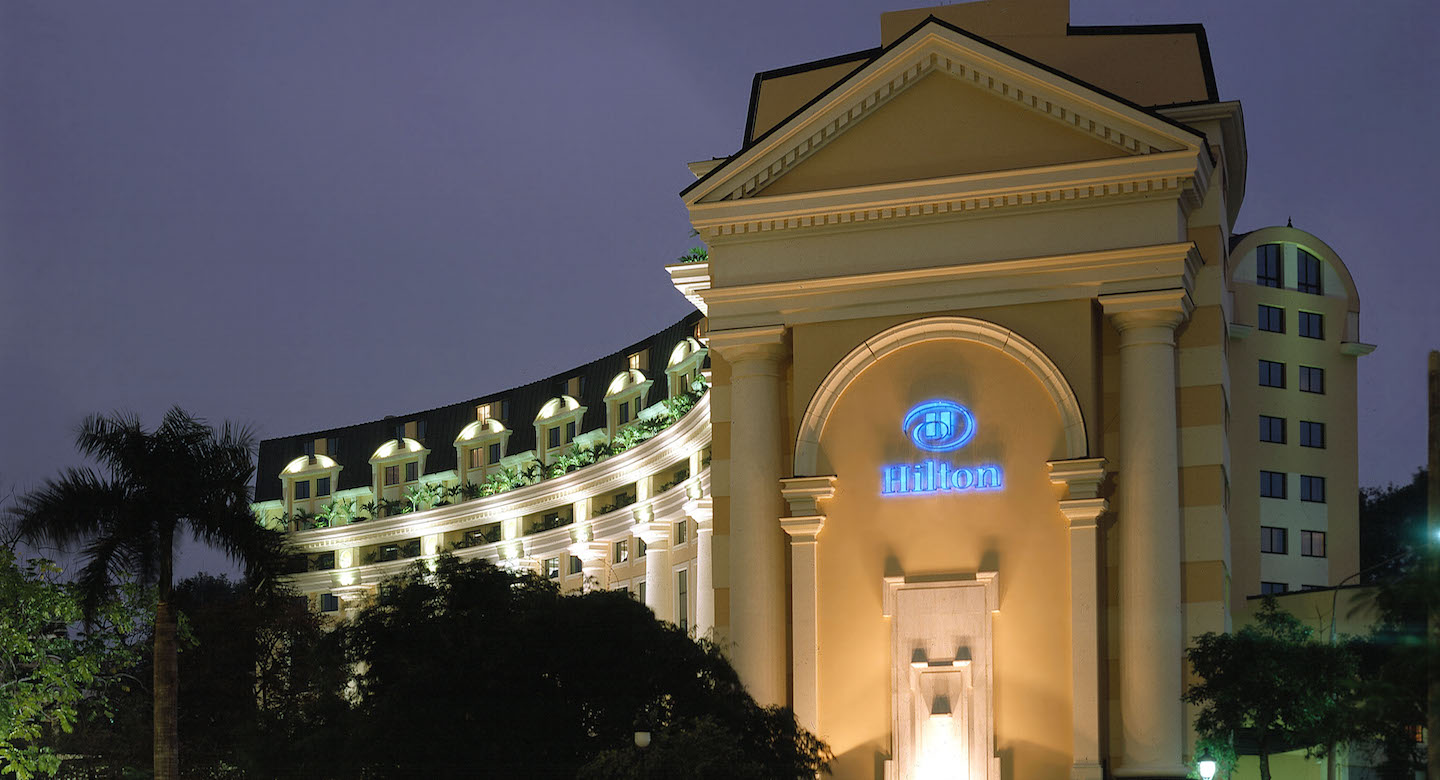
This was a design-build project for a five-star hotel with 286 rooms, including a multipurpose hall with a seating capacity of 500, a restaurant with a seating capacity of 350, a fitness centre, shops and a swimming pool. Its net floor area is 25,500 m2. The building has a ground floor, mezzanine, kitchens, restaurants, bars, business centre and gym on the first and second floors and rooms on 11 floors. Outside the building, there is a multipurpose hall with a capacity to hold 470 people, a swimming pool and a two-storey carpark.
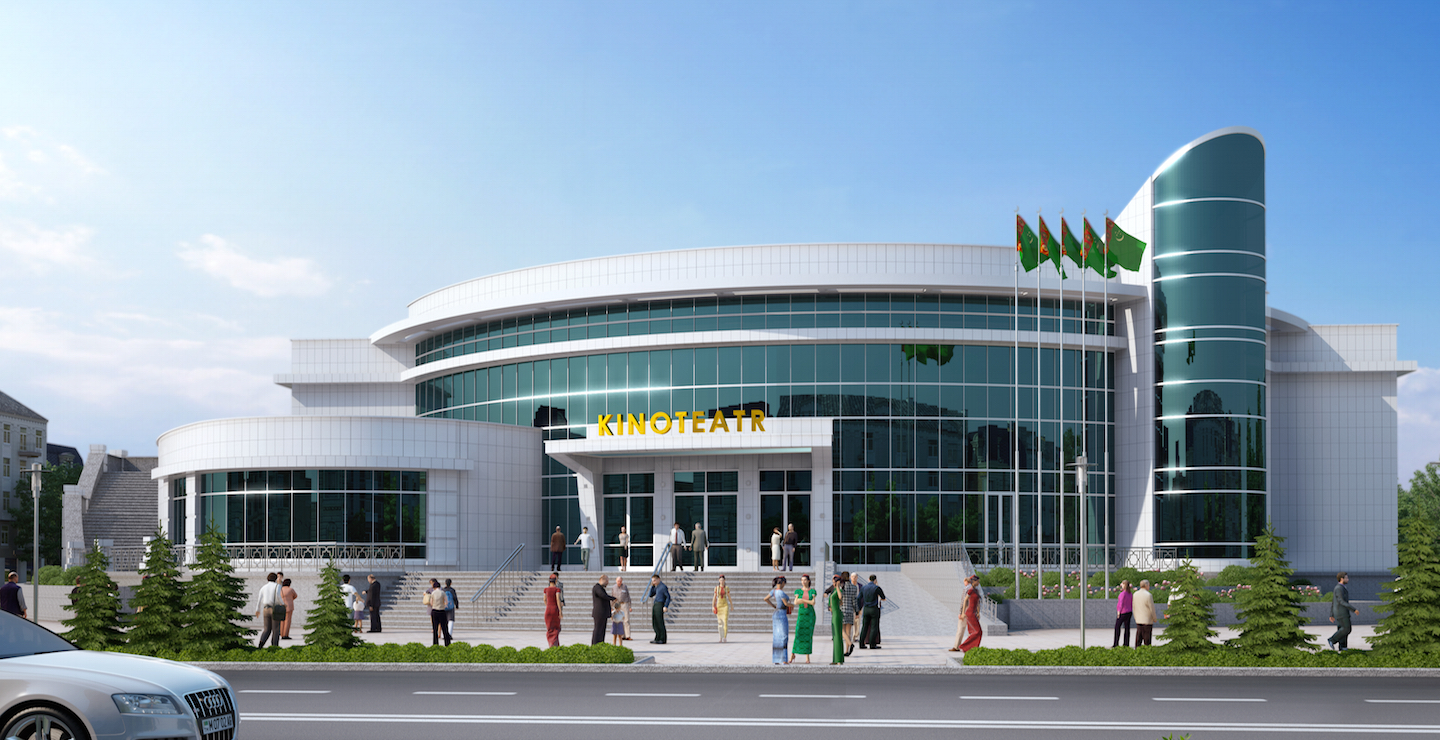
The Ashgabat cinema is the first 3D cinema hall in Turkmenistan’s capital Ashgabat on Magtymguly Avenue near the Köpetdag stadium. This was a design-build project for the construction of a 2D cinema hall with 500 seats and a 3D cinema hall with 70 seats, a café with a capacity to hold 50 people, a cyber café, two shops and an office area for the cinema operators. Inaugurated on 29 June 2011, it was the country’s first 3D cinema.
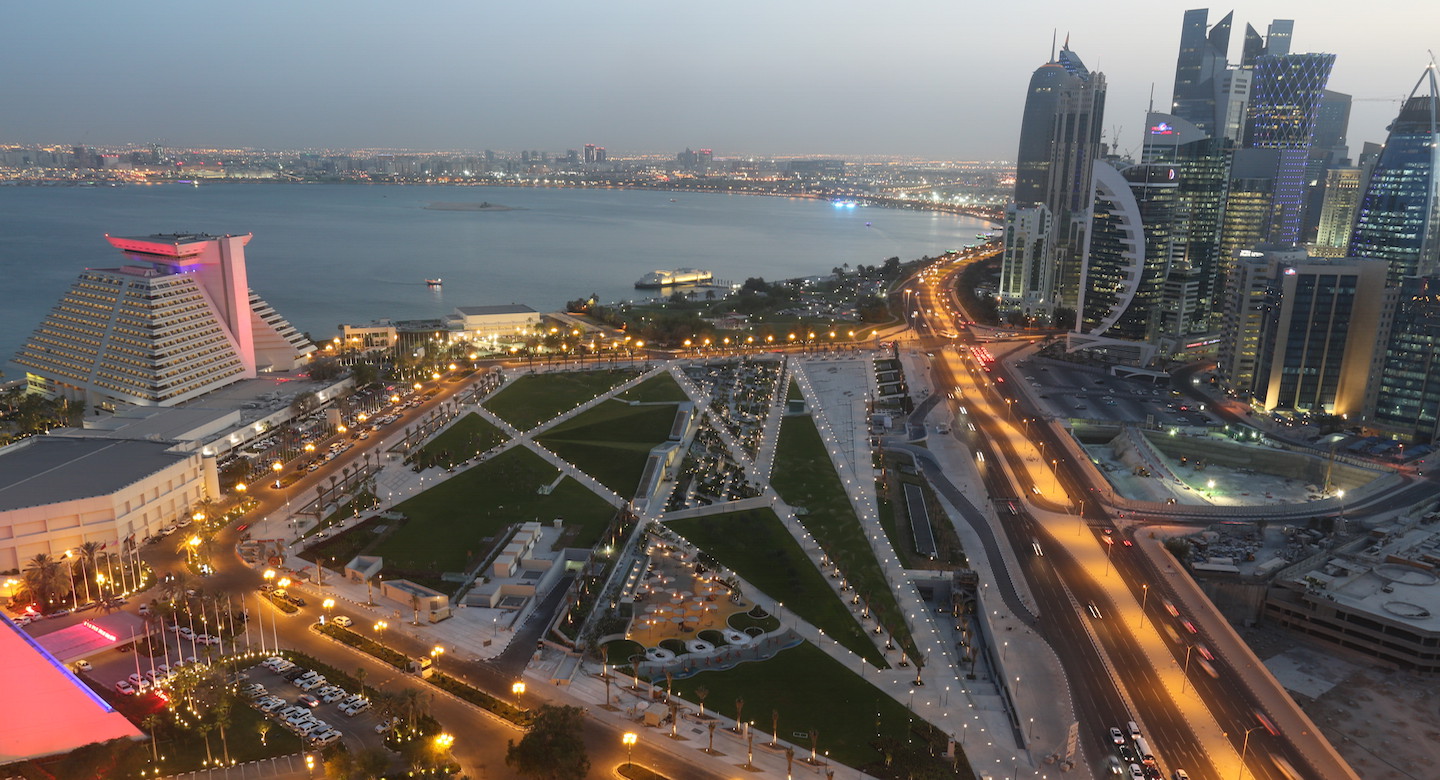
Doha now has its treed green space in the heart of the West Bay business district thanks to the Sheraton Park Project, which was delivered by our subsidiary QDVC. The contract covered design and construction of a landscaped park, four levels of underground parking for 2,700 cars, a 66-kilovolt substation, two 11-kilovolt substations, and a tunnel under the Corniche to provide access to the Convention Centre located opposite the Sheraton Hotel.
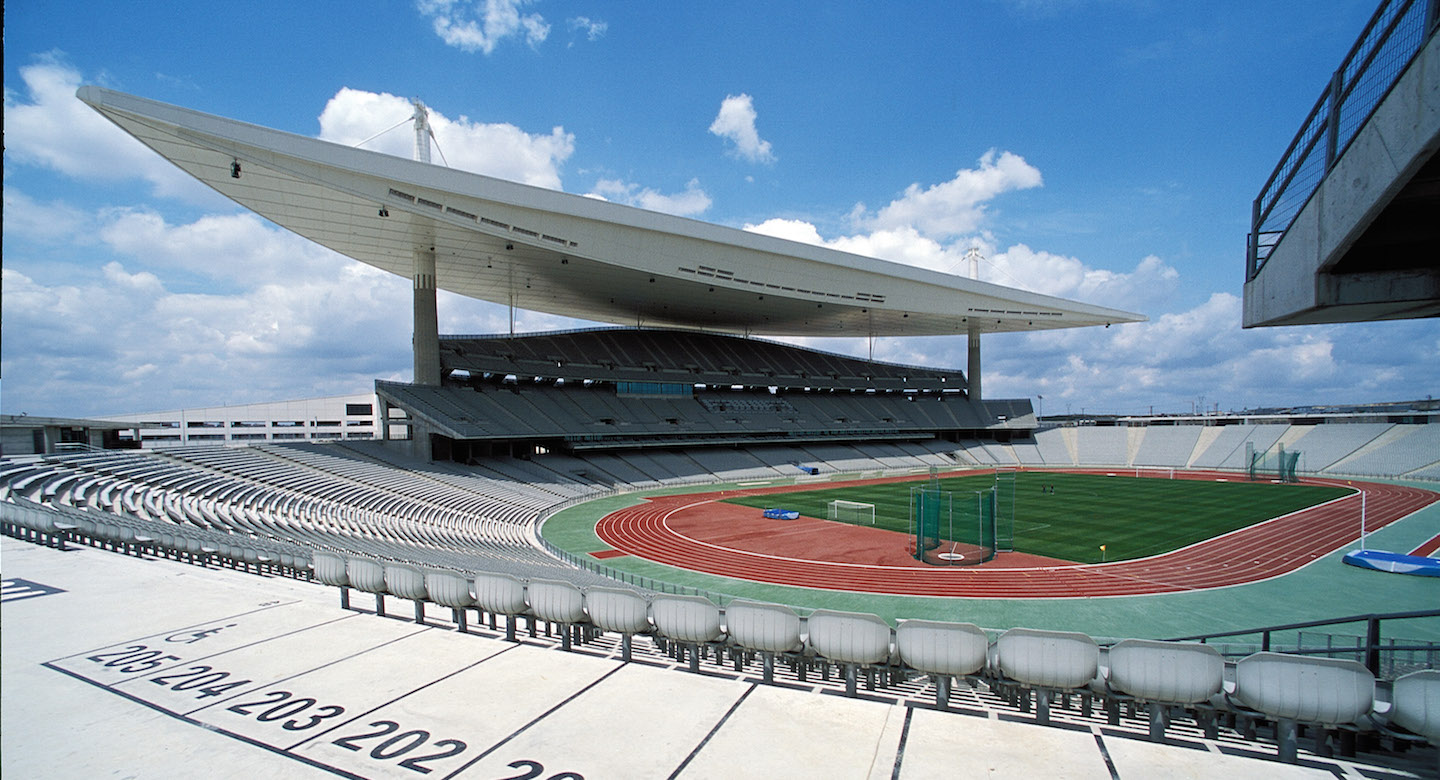
Since 2003, Atatürk Stadium, which was delivered in 2001 and designed by the same architects responsible for Stade de France, has hosted Turkey’s football championship matches.
Atatürk Stadium, a gem among Istanbul’s sports facilities, is located in Ikitelli, 20 kilometres west of the metropolis. The stadium has 80,000 seats, of which 48,500 are located in the covered sections of the facility. This sports complex, known as the “Titan of Istanbul,” covers 50,000 m2 of floor space and includes permanent track-and-field equipment, a six-storey building, a 300-seat amphitheatre, 2 car parks with a total of 400 spaces, an annex sports stadium, and a stadium for training activities.
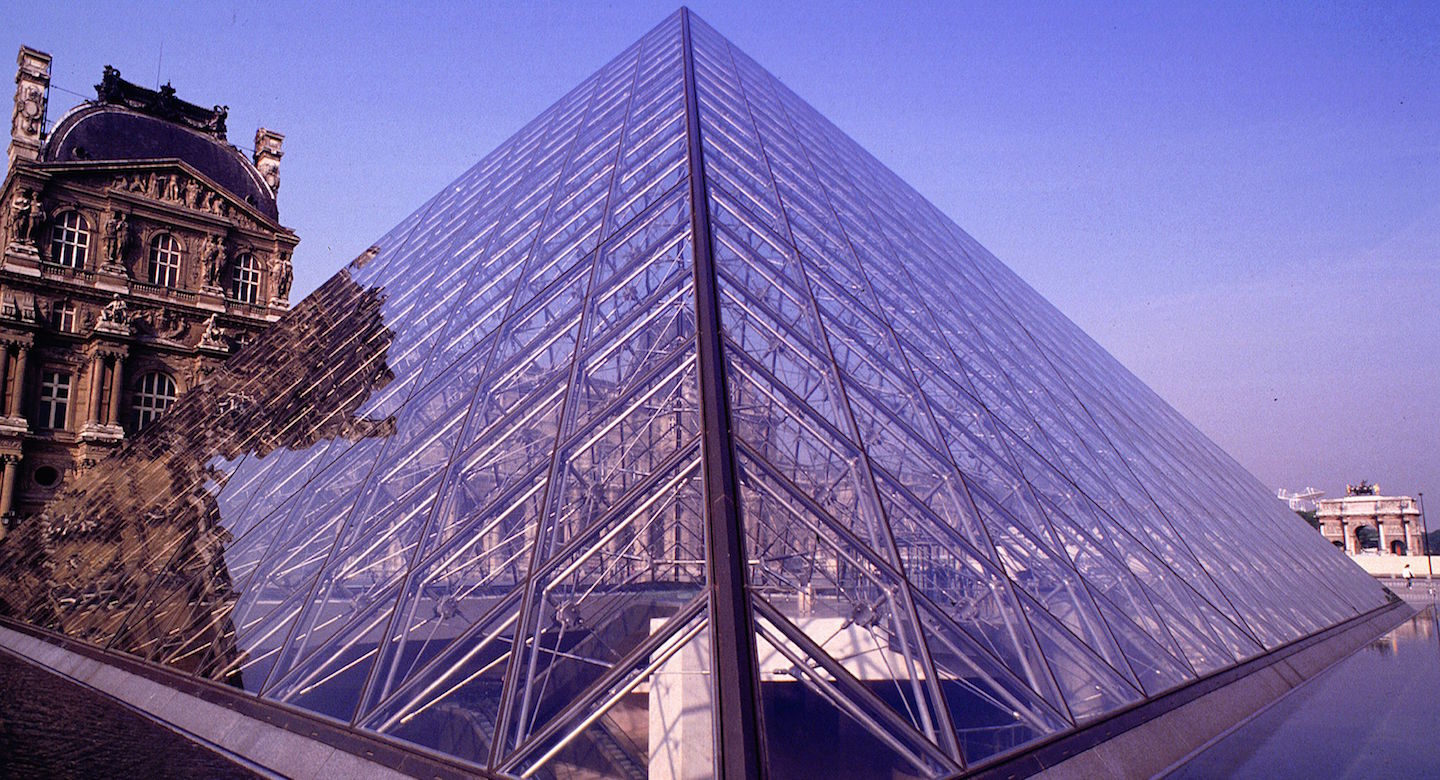
The Grand Louvre project started in 1986. Designed by the architect Ieoh Ming Pei, this exceptional building led to the reorganisation of the museum space by making Cour Napoléon (the main courtyard) its focal point. All of this was done harmoniously by respecting existing buildings, the oldest of which date back to the 12th century.
The construction of the Grand Louvre was both in visual and practical terms an architectural feat. This project facilitated access to the world’s most-frequently visited museum by transforming the points of entry into various buildings and opening up spaces beneath Cour Napoléon.
The Cork wastewater treatment and mud-recycling plant, located at Carrigrenan at the very tip of the verdant Little Island peninsula at the mouth of the Lee River and 15 kilometres east of Cork, was upgraded to serve a population of 250,000. The plant is the final component in the city’s water-sanitation network. VINCI Construction Grands Projets led the civil-engineering mandate that includes 16 hydraulic storage tanks, 10 reinforced-concrete transfer chambers, 7 buildings, 23,000 m3 of concrete, and 3,800 tonnes of steel. The plant was opened in January 2004.
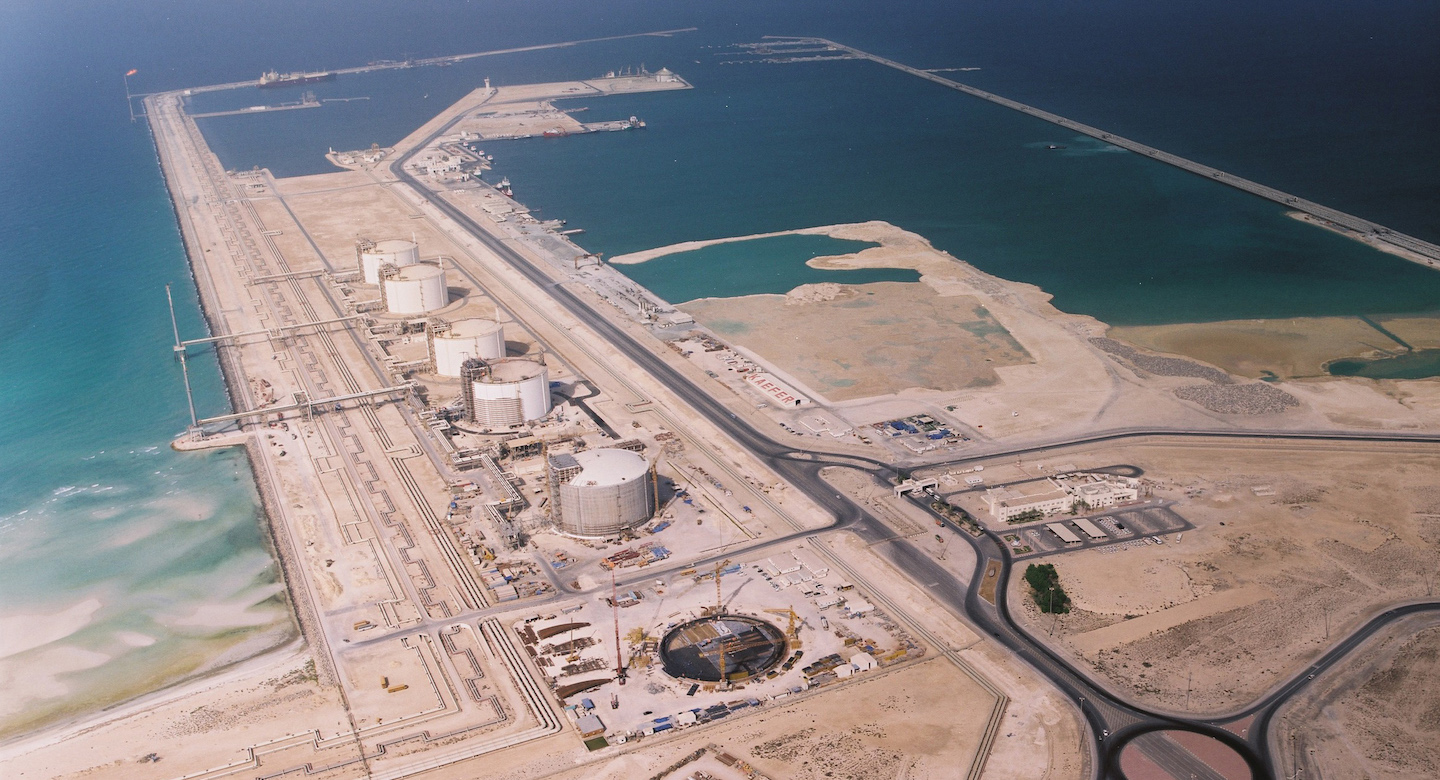
Following an initial project carried out by its subsidiary Terre Armée in Qatar in 1982, Campenon Bernard SGE (the future VINCI Group) made a return to this country with the awarding on October 17, 1995 of a design-build contract for three 140,000-m3 liquefied natural gas (LNG) storage tanks. These tanks consist of a reinforced prestressed concrete shell encasing and protecting a self-supporting steel and nickel inner chamber designed to store LNG. The outer concrete casing can confine the liquefied gas in the event of a leak in the inner chamber. Each shell consists of a reinforced concrete foundation resting on piles driven into the bedrock and supports a circular prestressed concrete skirt. A spherical dome in reinforced concrete seals the structure at the top.
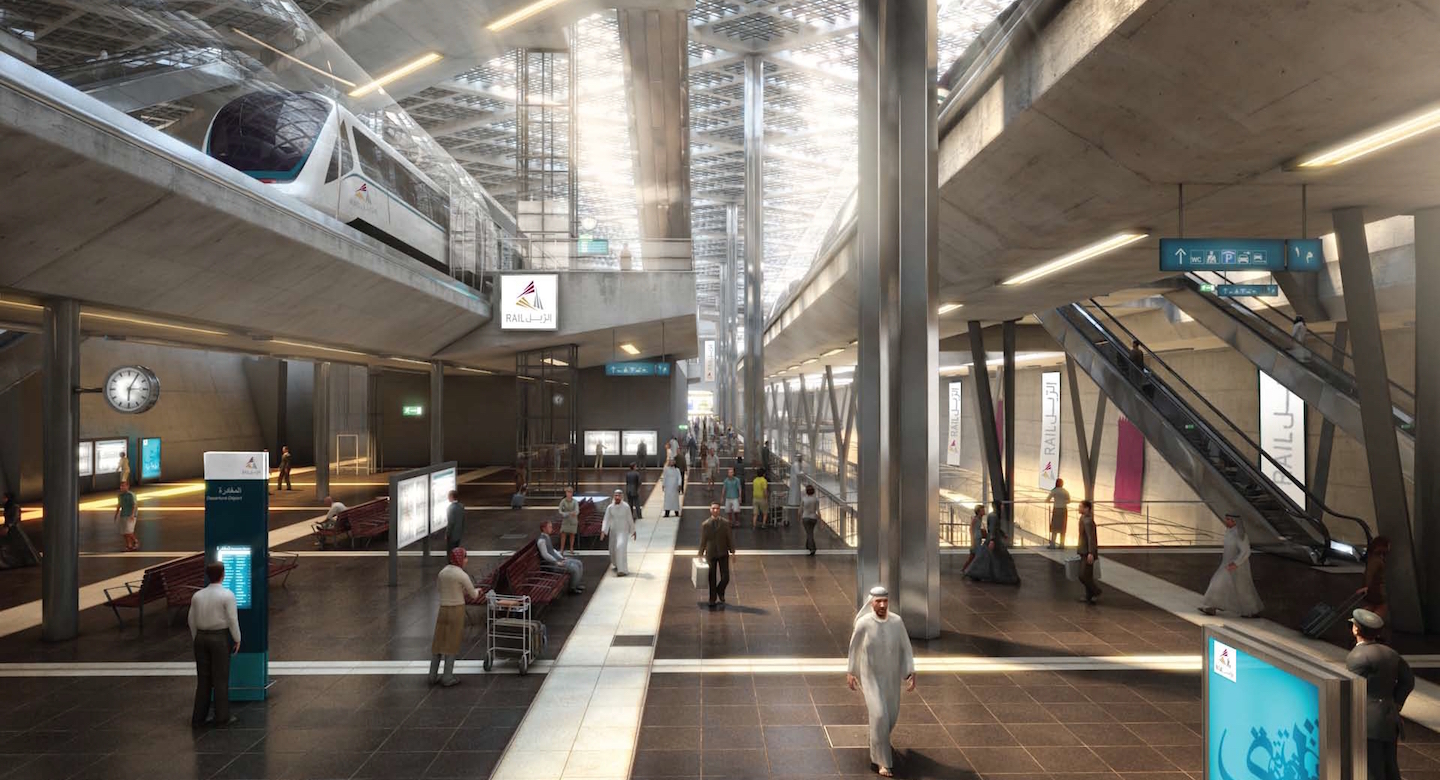
This infrastructure is a first for a country that has had, until now, only a bus network for a public transit system. Construction of this metro line is part of a vast development project in Qatar. VINCI Construction Grands Projets, through its local subsidiary QDVC, was mandated to design and build a 13.8-kilometre dual-tube underground rail line. The structure will connect Doha Airport to the district of Msheireb, the historic centre of the Qatari capital. The project also includes design and construction for five underground stations, 32 safety intert-tube connections, and five emergency evacuation shafts.
This five-year project mobilises a workforce of up to 3,000 people.
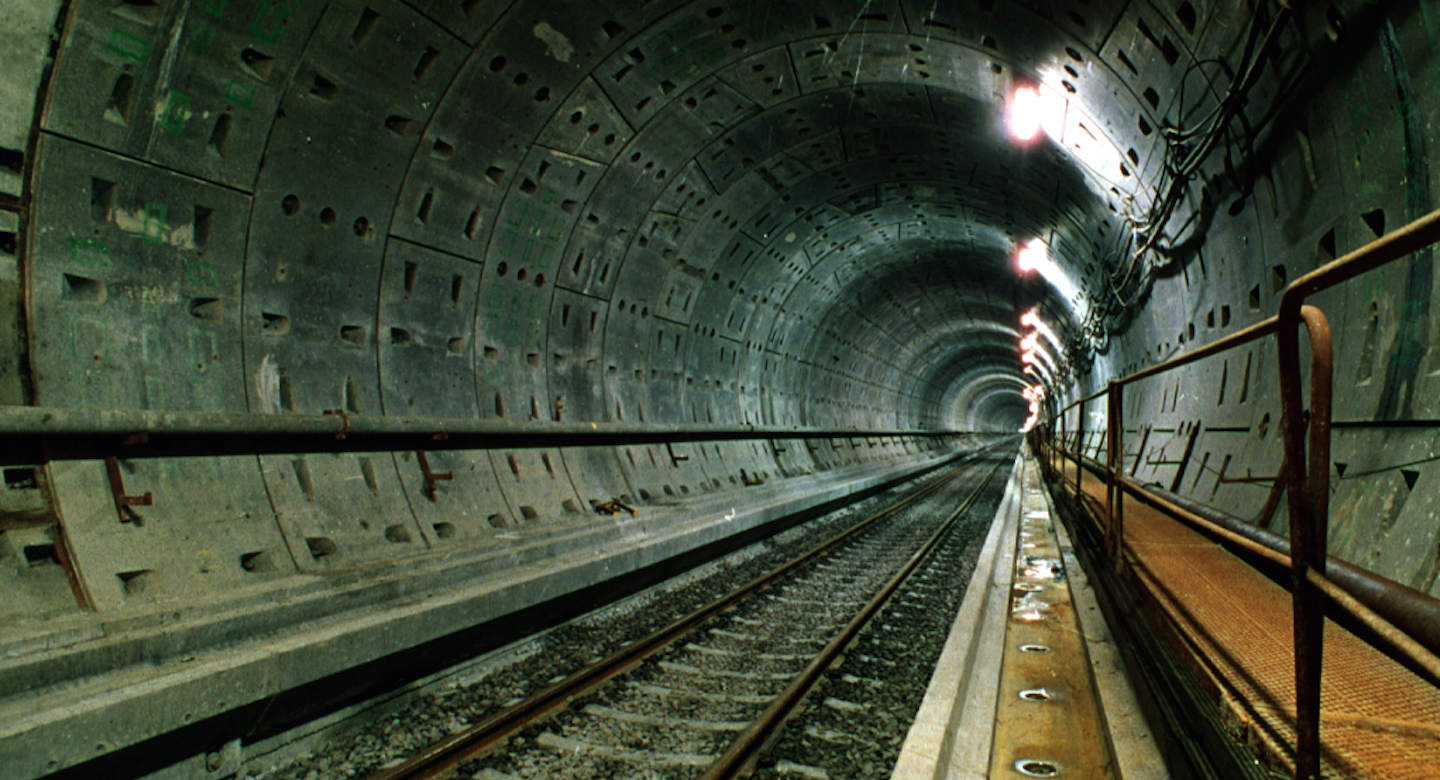
Design and construction of the Storebælt rail tunnels were part of a project to create road and rail links to Storebælt. These tunnels are located between the islands of Funen and Zealand and were built as part of the development of a fixed link between Copenhagen and the Continent. The Great Belt Fixed Link (a road and rail connection between Denmark’s two largest islands, Zealand and Funen) is the country’s leading transport corridor. In total, the project includes 18 kilometres of engineering structures. We were mandated to build 2 of these tunnels (under the sea), which are 7.4 kilometres long and have an interior diameter of 7.70 metres.
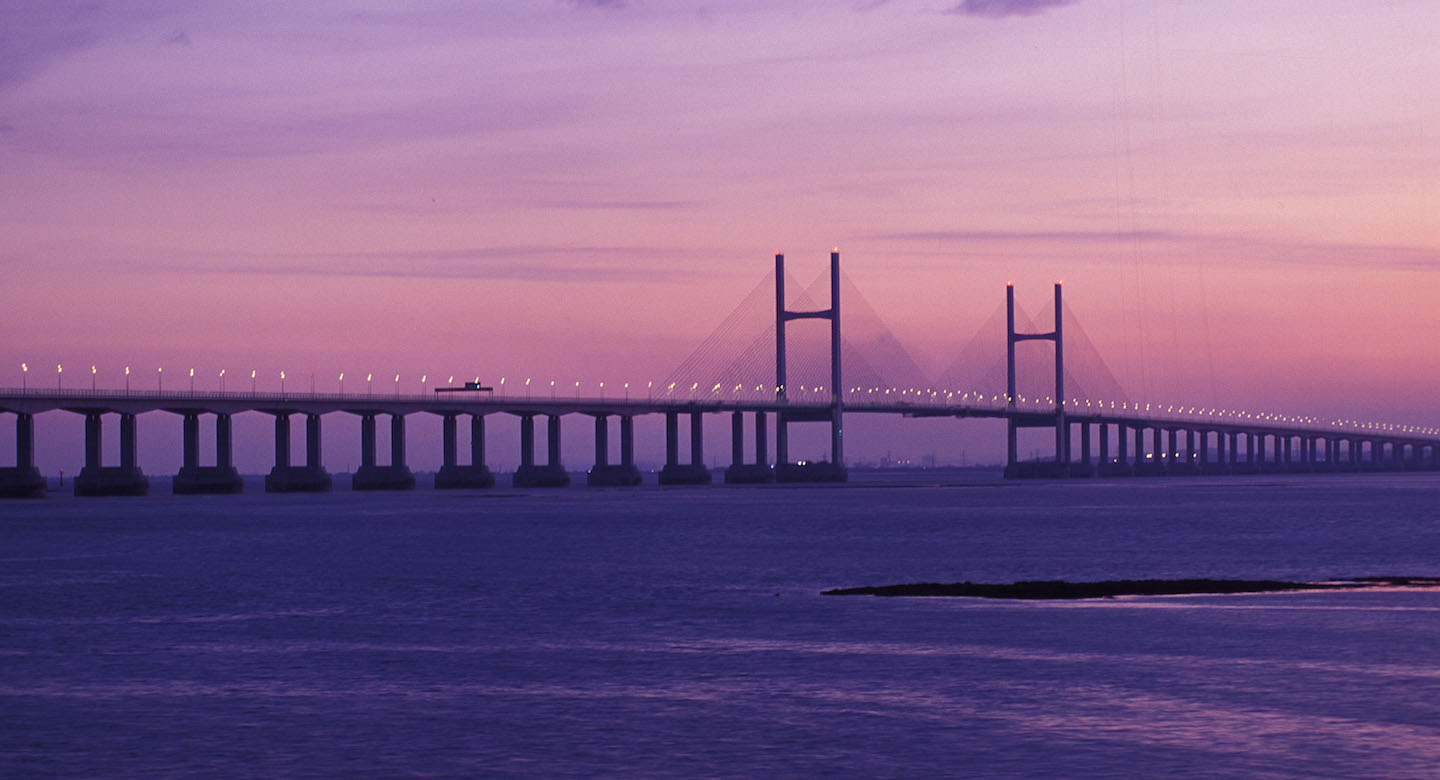
Crossing the Severn to connect London and Cardiff meant overcoming some of the highest tides in the world. By resorting extensively to prefabrication, we were able to manage the significant risk factors inherent in this project that called for the design, construction, and operation (by concession agreement) of a 5,126-metre structure encompassing a cable-stayed bridge 948 metres long and 2 access viaducts, respectively, 2,103 and 2,077 metres long.
The 5,126-metre structure, providing 37 of overhead clearance, spans the Severn estuary, 5 kilometres downstream from an existing suspended bridge. It provides 3 lanes for traffic and an emergency lane in each direction, along with a central reservation. It is equipped with safety barriers and wind-barriers on each side.